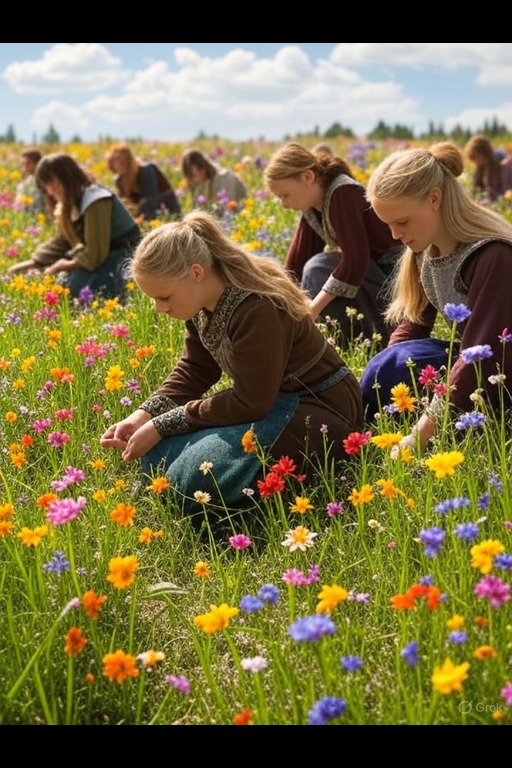
Wildflower seeds are collected from vibrant patches of grassland, where nature thrives without restraint. Gatherers employ simple tools for this task, ensuring that only the finest seeds are selected for preservation. The remainder is returned to the earth, allowing the natural cycle to continue unimpeded. These seeds play a vital role in various industries, fostering creativity and trade among communities.
Universal
Biomes
Politics
Alignments
Races
Resources
Classes
Elevations
Religions
World
No accessible MAPs found.
Biome
Politics
Alignment
Race
Resource
Class
HeightMap
Wildflower Seeds
Detailed Description
The practice of collecting wildflower seeds is deeply rooted in the rhythms of the grassland biome. Gatherers typically venture into open fields during the peak blooming season, where a diverse array of wildflowers burst into color. Using minimal tools such as small bags and gentle hands, they carefully sift through the blossoms, selecting seeds that exhibit robustness and vitality. This process is not merely about gathering; it involves a keen eye for quality, ensuring that only the best seeds are retained for future planting or trade. The act of leaving behind less desirable seeds allows for natural regeneration, as the wild blooms continue to flourish, sustaining the ecosystem. Once collected, the seeds are often sorted at the edge of the grassland. This sorting process is meticulous; gatherers inspect each seed for signs of damage or disease, removing anything that may compromise the quality of the batch. This practice ensures that the seeds destined for crafting or trade are of the highest caliber, maintaining a standard that supports various industries reliant on these natural resources. Crafting artisans, builders, and traders alike seek out these seeds, recognizing their potential to foster growth and prosperity in their respective fields. In addition to their practical uses, wildflower seeds contribute to the ambience of the regions they populate. Their vibrant colors and unique shapes inspire artisans to create a wide range of craft goods, from decorative items to practical tools. The resilience of these seeds is mirrored in the structures they help build, as nature’s bounty often finds its way into the very fabric of construction. Furthermore, the seeds can serve as valuable trade goods, facilitating exchange between communities and fostering relationships that transcend the mere act of commerce. The cultural significance of wildflower seeds extends beyond their physical presence, encompassing a shared appreciation for the land and its bounty, which endures through generations.
Examples
Craft goods made from wildflower seeds can include ornamental pieces, jewelry, and textiles dyed with natural pigments derived from the flowers. In construction, these seeds are used to enhance the beauty of buildings by planting them in gardens and communal spaces. As trade goods, they facilitate the exchange of unique varieties, enriching the biodiversity of distant lands. Moreover, artisans often create tools infused with the essence of wildflowers, reflecting the harmony between utility and beauty.