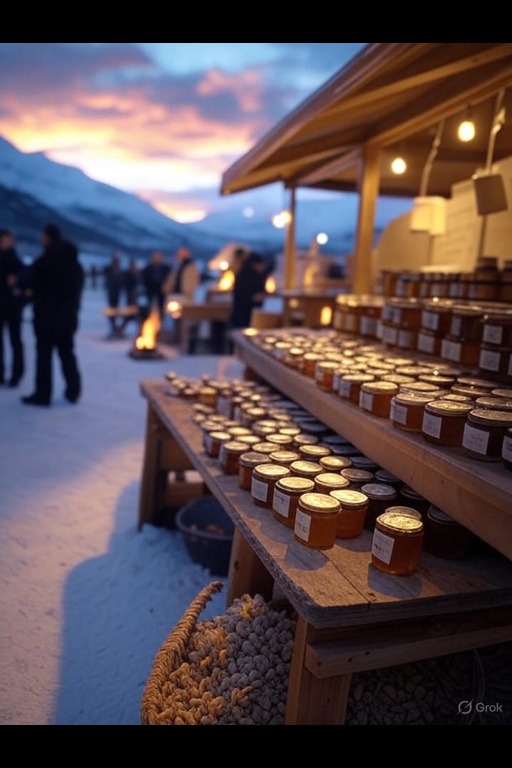
Wild Honey (Cold) is a unique resource found in the frigid expanses of the tundra, where resilient flora and fauna thrive despite the harsh climate. Harvesters skillfully gather this delicacy, relying on their knowledge of seasonal patterns to ensure sustainable practices. The honey is a vital part of local economies, supporting crafts and trade while fostering community connections. Settlements often flourish near reliable sources of this prized substance, creating vibrant hubs of activity and tradition.
Universal
Biomes
Politics
Alignments
Races
Resources
Classes
Elevations
Religions
World
No accessible MAPs found.
Biome
Politics
Alignment
Race
Resource
Class
HeightMap
Wild Honey (Cold)
Detailed Description
The production of Wild Honey (Cold) is an intricate process influenced by the challenging conditions of the tundra biome. Here, hardy flowering plants provide essential nectar for the industrious bees that inhabit the region. The cold climate imposes unique adaptations on both the flora and the pollinators, resulting in a honey that possesses distinct flavors and qualities not found in warmer environments. Harvesting this honey demands not only skill but also a deep understanding of the natural world, as the timing of collection is crucial to ensure that bee populations remain sustainable and healthy. In addition to its role as a food source, Wild Honey (Cold) serves multiple industries. Beekeepers cultivate hives with careful attention, fostering a balance between honey production and ecological stewardship. In culinary arts, the honey is a sought-after ingredient, lending sweetness and complexity to various dishes. Local brewers often incorporate it into their recipes, crafting beverages that warm the spirit against the biting cold. Artisans also utilize the wax from honeycombs, creating candles that illuminate long, dark nights with a soft, flickering glow. The trade of Wild Honey (Cold) extends beyond immediate communities, often reaching distant markets where its rarity is celebrated. As a barter item, it holds significant value, enabling trade in other goods and services. The social fabric of settlements thrives around this resource, as seasonal festivals often celebrate the harvest, bringing together people from various backgrounds to share in the bounty and traditions surrounding honey. Such gatherings reinforce cultural ties and promote a sense of belonging, as the knowledge of harvesting and using honey is passed down through generations. Ultimately, the significance of Wild Honey (Cold) transcends mere sustenance. It embodies the resilience of life in extreme conditions, fostering a connection between people and their environment. As custodians of this resource, communities strive to maintain balance, ensuring that future generations can also partake in the richness this unique honey offers.
Examples
Various products arise from the careful harvesting and processing of Wild Honey (Cold). Mead, a celebrated beverage, showcases the honey's distinctive profile, often enjoyed during communal gatherings. Artisans craft wax candles that not only serve utilitarian purposes but also add warmth and ambiance to homes. Culinary creations like honey cakes and fruit preserves highlight its versatility in the kitchen, while medicinal salves benefit from its natural properties. Together, these examples illustrate the resource's integral role in local culture and economy.