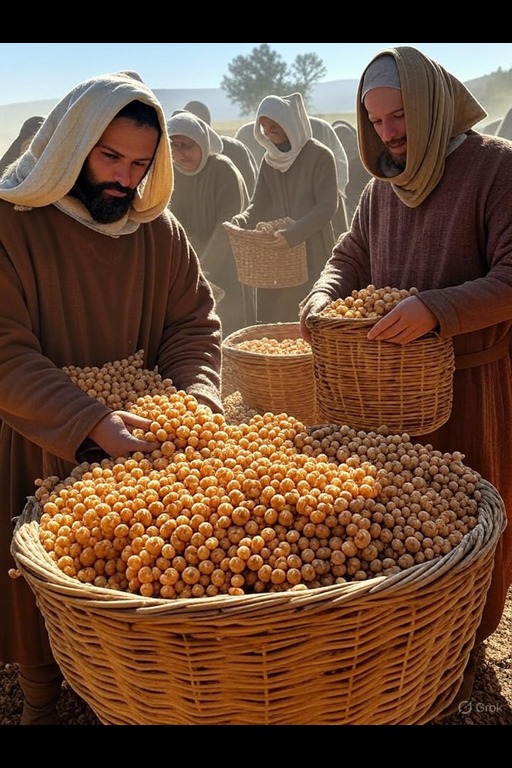
Wild chickpeas are a hardy plant that thrives in the arid conditions of xeric scrubland. Known for their resilience, these legumes provide essential nourishment and are a vital resource for local communities. Harvesters closely monitor seasonal variations to gather the crop without exhausting its populations. Their culinary versatility and nutritional value support various local industries, particularly in trade and food production.
Universal
Biomes
Politics
Alignments
Races
Resources
Classes
Elevations
Religions
World
No accessible MAPs found.
Biome
Politics
Alignment
Race
Resource
Class
HeightMap
Wild Chickpeas
Detailed Description
Growing in clusters, wild chickpeas display a tenacity that mirrors the environment in which they flourish. Their leaves are small and feathery, adapted to conserve moisture while maximizing photosynthesis in a harsh landscape. These legumes produce pods that house the precious seeds, which are harvested at the peak of ripeness, ensuring maximum flavor and nutritional content. Gathering requires skill and patience, as each season presents its own challenges, and sustainable practices are paramount to prevent overharvesting. A careful balance must be maintained to ensure healthy populations for future yields, reflecting the deep connection between harvesters and the land. The culinary applications of wild chickpeas are extensive and diverse. Dried chickpeas can be ground into flour, providing a nutritious base for a variety of dishes, from flatbreads to pastries. They are also commonly used in stews and soups, lending their hearty texture to comforting meals. In addition, local artisans create preserves and flavored salts that incorporate wild chickpeas, enhancing their appeal and facilitating trade with neighboring settlements. The adaptability of these legumes makes them a staple in many regional cuisines, celebrated for their flavor and health benefits. Trade in wild chickpeas has become a cornerstone of many local economies, with harvesters often forming cooperative networks to share knowledge and resources. This communal approach not only bolsters the economic viability of the crop but also fosters a sense of community among those who rely on it. As settlements flourish near reliable sources of wild chickpeas, the crop serves as both sustenance and a source of income, reinforcing the interdependence between people and their environment. The cyclical nature of planting, harvesting, and trading wild chickpeas highlights the importance of responsible stewardship and the sustainable practices necessary to ensure the continued prosperity of this invaluable resource.
Examples
In various regions, dried wild chickpeas are a common offering at local markets, often sought after for their rich flavor and versatility. Artisans craft preserves that highlight the unique taste of these legumes, transforming them into gourmet products favored by traders. Additionally, small-scale producers create specialty spice blends that incorporate wild chickpeas, enhancing the culinary landscape of their communities. This resource not only nourishes but also strengthens the bonds between artisans and consumers, creating a vibrant ecosystem of trade and craft.