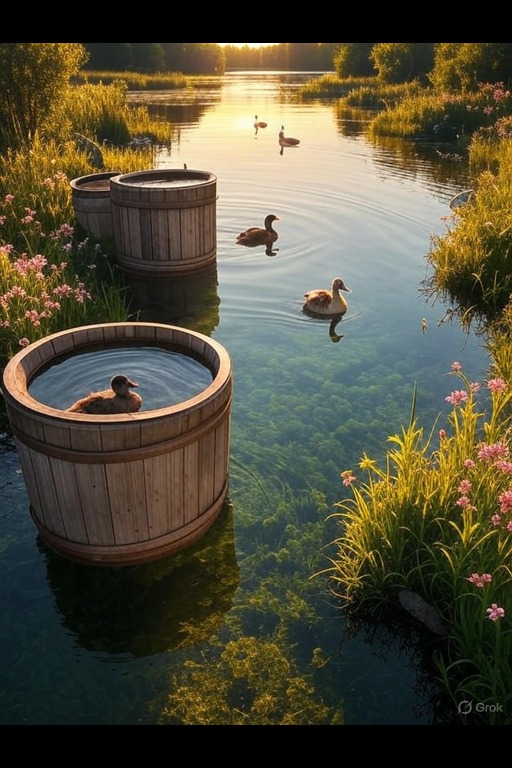
Waterfowl (Wild) is sourced from pristine environments, where fresh water flows and life thrives. After collection, the water is allowed to settle, ensuring the removal of silt and impurities. Stored in sealed casks, it serves a multitude of purposes ranging from brewing and cooking to trade. Its versatility makes it a vital resource in various industries reliant on quality water supply.
Universal
Biomes
Politics
Alignments
Races
Resources
Classes
Elevations
Religions
World
No accessible MAPs found.
Biome
Politics
Alignment
Race
Resource
Class
HeightMap
Waterfowl (Wild)
Detailed Description
In the heart of wetlands, where the mingling of land and water creates a unique ecosystem, wild waterfowl thrive. These creatures are not only a vital part of their environment but also a crucial resource for local communities. Harvesting this water involves careful collection from clean, flowing sources, where the purity of the water is paramount. The collected water is then allowed to settle, a process that helps eliminate any unwanted silt or debris, ensuring that only the clearest water is used for further purposes. Once settled, the pristine water is stored in sealed casks, designed to preserve its quality and prevent contamination. This storage method is essential, as it safeguards the water's freshness, making it suitable for various applications. In brewing, for instance, the clarity and purity of the water can greatly influence the final product, enhancing flavors and aromas in various beverages. Cooks also prize this resource, as it serves as a foundational element for soups, stews, and stocks, where its clean taste allows other ingredients to shine. The trade of wild waterfowl is a significant aspect of local economies, with merchants often transporting casks of this precious resource to distant markets. The demand for high-quality water increases as more communities recognize the value of using clean sources for their culinary and brewing needs. Additionally, during colder seasons, ice blocks cut from pristine water bodies are also harvested and traded, utilizing the same pure water that flows freely in warmer months. This cyclical relationship between water and the surrounding environment underscores the importance of sustainable practices in the collection and use of this critical resource. Engagement with wild waterfowl not only supports various industries but also fosters a deeper appreciation for the ecosystems that produce it. The balance between utilization and conservation is crucial, ensuring that the delicate habitats continue to flourish, thereby providing ongoing support for both wildlife and local communities. As such, wild waterfowl represents more than just a resource; it embodies the interconnectedness of life within wetland biomes, where nature and human enterprise coexist harmoniously.
Examples
Casks of wild waterfowl are often seen stacked high in market squares, each one filled with the essence of clear streams. Brewing establishments flourish with the use of this water, crafting everything from light ales to rich stouts that capture the essence of their surroundings. In kitchens, chefs value the water as a base for flavorful broths, enhancing their culinary creations. During the winter months, ice blocks sourced from these clean waterways serve as trade goods, allowing communities to preserve food and enjoy chilled beverages long after the thaw.