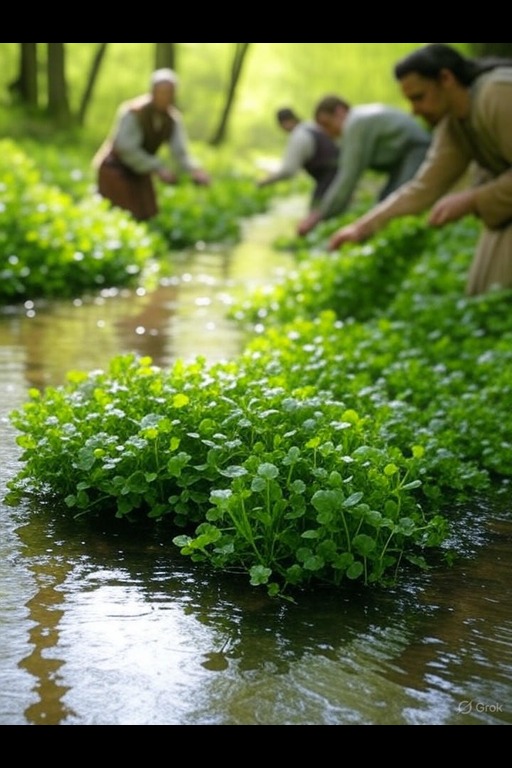
Watercress (Wild) is a hardy aquatic plant that flourishes in freshwater environments, often found in streams and ponds. Its vibrant green leaves and peppery flavor make it a popular choice among foragers and culinary enthusiasts. Harvesters must exercise skill and care to collect this resource, ensuring sustainability while supporting local economies. Many communities thrive near abundant sources of this nutritious plant, leveraging it for various industries and trade opportunities.
Universal
Biomes
Politics
Alignments
Races
Resources
Classes
Elevations
Religions
World
No accessible MAPs found.
Biome
Politics
Alignment
Race
Resource
Class
HeightMap
Watercress (Wild)
Detailed Description
Watercress (Wild) thrives in the shallow, clear waters of freshwater bodies, often favoring areas with gentle currents or near the banks of rivers and streams. This leafy green is characterized by its crisp texture and robust flavor, making it a favored addition to salads, soups, and other culinary creations. It typically grows in dense clusters, providing an essential habitat for various freshwater species and contributing to the overall health of its ecosystem. Harvesting practices are crucial; skilled gatherers understand the seasonal cycles and ecological dynamics that allow for the responsible collection of this plant without depleting its populations. Overharvesting can lead to diminished stocks, disrupting both local biodiversity and the livelihoods that rely on it. Thus, an emphasis on sustainable practices is paramount for those engaged in the collection of watercress. Communities often establish guidelines and seasonal limits to ensure that this vital resource continues to flourish for generations to come. The economic impact of watercress is significant, supporting various industries such as waterworks, brewing, and fishing. In many regions, it is processed into brew stock, contributing to local beverages with its unique flavor profile. Additionally, the watercress plant is utilized in creating ice blocks and facilitating irrigation practices, which are critical for agriculture in regions where water access is limited. Crafting wash basins from watercress can also be a traditional practice, highlighting the plant's versatility beyond culinary uses. Salt extraction processes can benefit from the presence of watercress, as the plant thrives in environments where saline conditions can be managed, resulting in unique flavors and products that appeal to consumers. The connection between watercress and local trade is evident, as it becomes a staple ingredient in various regional cuisines, often sought after by merchants and traders. The cultivation and harvesting of watercress have evolved into a vital component of cultural heritage for many communities, intertwining their identities with the thriving ecosystems they inhabit. In many areas, watercress is not only a source of sustenance but also a symbol of resilience and adaptability in the face of changing environmental conditions. Its presence indicates healthy waterways and serves as an indicator for local environmental stewardship efforts. The act of gathering watercress often fosters a connection to nature and a sense of community, as families and friends unite to share in the bounty of their surroundings. Overall, watercress (Wild) remains a fundamental resource, essential not just for its practical uses but also for the cultural and ecological narratives it supports.
Examples
Culinary uses of wild watercress include fresh salads and flavorful soups, where its peppery taste can enhance various dishes. In brewing, it serves as a unique ingredient, imparting distinct notes to beverages crafted in local traditions. Watercress is also utilized in irrigation systems, providing essential nutrients to crops while conserving water resources. Additionally, artisans may incorporate watercress into wash basins that reflect the skill and craftsmanship of their creators. Finally, the plant plays a role in salt extraction processes, offering a unique flavor profile that enhances the culinary arts.