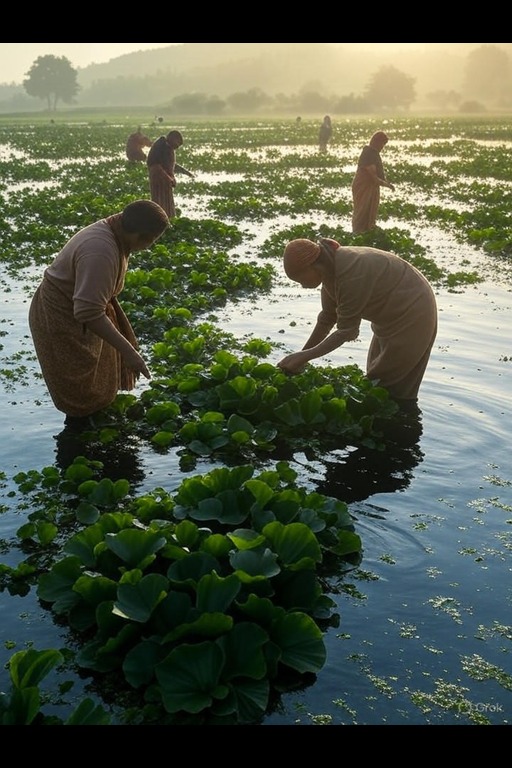
Water Chestnut is a nourishing crop cultivated in the rich, marshy expanses of wetlands. Its growth requires careful attention throughout the seasons, with a focus on harvesting at the moment of optimal ripeness to minimize spoilage. Once harvested, processing begins promptly to maintain the quality of the product, ensuring that it remains suitable for various culinary uses. This versatile resource supports numerous industries, including agriculture, food trade, and starch processing.
Universal
Biomes
Politics
Alignments
Races
Resources
Classes
Elevations
Religions
World
No accessible MAPs found.
Biome
Politics
Alignment
Race
Resource
Class
HeightMap
Water Chestnut
Detailed Description
Cultivated in the shallow waters of wetland environments, Water Chestnut thrives in nutrient-rich soils, benefiting from the abundant moisture that these biomes provide. Farmers select open plots, often utilizing traditional methods that respect the natural ecosystem while promoting healthy growth. The plants grow in clusters, their submerged tubers developing a firm texture and a distinctive taste that is both sweet and nutty. This unique flavor profile makes them a sought-after ingredient in various dishes, particularly in stews and as a fresh addition to salads. Harvesting takes place at dawn when the air is cool, and the water is still. Careful techniques are employed to uproot the tubers without causing damage to the delicate plants or the surrounding environment. Once collected, the tubers must be processed on the same day to prevent degradation. Farmers often dry, mill, or slice the Water Chestnut, transforming it into products that can be easily stored and transported, thus extending its availability beyond the immediate harvest season. In addition to its culinary applications, Water Chestnut serves as a key ingredient in starch production, providing a vital source of carbohydrates. The starch extracted from these tubers is utilized in various food products, enhancing textures and acting as a thickening agent. As a result, this resource plays a critical role in both local and wider food trade, contributing to the sustenance of communities and the economy. Preservation techniques ensure that surplus crops do not go to waste, allowing for trade goods that maintain their quality even during transport. The cultivation of Water Chestnut also fosters an ecosystem that supports local wildlife, contributing positively to the wetland environment. The growing practices encourage biodiversity, with the plants providing habitat and food for various aquatic species. Furthermore, the cultivation process is often intertwined with traditional practices that emphasize sustainability, ensuring that these wetlands continue to thrive alongside agricultural endeavors. As such, Water Chestnut represents not only a vital food source but also a harmonious relationship between agriculture and nature.
Examples
Water Chestnut is commonly transformed into dried slices, which are favored for their long shelf-life and versatility in cooking. The starch derived from the tubers is a staple in various culinary traditions, valued for its ability to enhance the texture of foods. Stews made with Water Chestnut add a delightful crunch, elevating simple dishes into remarkable meals. Additionally, the preserved products are frequently traded, serving as important commodities in local markets, ensuring that the bounty of the wetlands reaches distant shores.