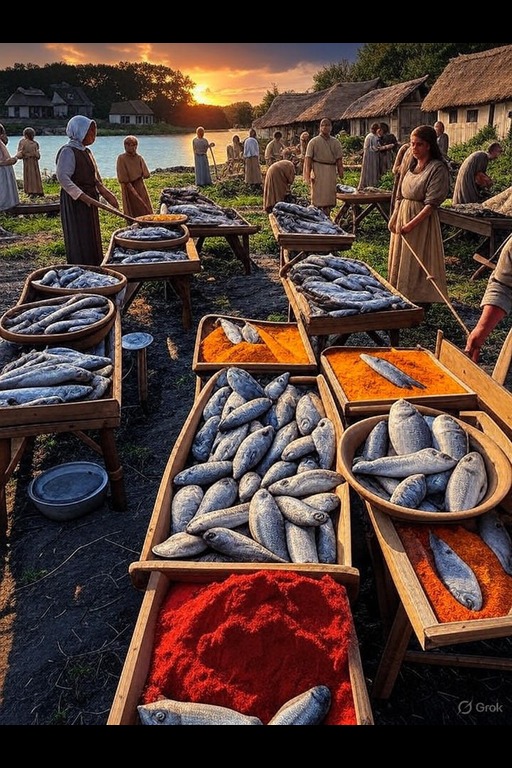
Tilapia is a widely cultivated fish, renowned for its adaptability to various aquatic environments, making it a staple in many farming practices. Thriving in both freshwater and marine settings, it is shaped by the local climate and the specific techniques employed by fishers and aquaculturists. The methods used to harvest or cultivate tilapia often reflect regional traditions, influencing both the quality and yield of the fish. Surpluses are commonly traded, with preserved forms highly valued for long journeys and seasonal storage.
Universal
Biomes
Politics
Alignments
Races
Resources
Classes
Elevations
Religions
World
No accessible MAPs found.
Biome
Politics
Alignment
Race
Resource
Class
HeightMap
Tilapia
Detailed Description
Tilapia is a versatile fish commonly raised in both freshwater and marine environments, showcasing its remarkable adaptability to varying conditions. This adaptability makes it an integral part of aquaculture practices, allowing it to flourish in diverse climates and waters. Farmers and fishers employ a range of techniques, often passed down through generations, to cultivate tilapia. These methods not only affect the growth rates and health of the fish but also play a significant role in determining the flavor and texture of the final product, thus impacting culinary applications and market demand. Seasonal changes influence the approaches taken in tilapia farming, with certain times of year yielding improved conditions for growth, thereby enhancing the overall quality of the fish. As the seasons shift, fisheries adjust their practices accordingly, ensuring that they can provide a steady supply. The careful management of breeding cycles and feeding practices contributes to the sustainability of tilapia populations, allowing for continuous harvests that align with local consumption needs and trade opportunities. Preserved forms of tilapia, such as smoked, salted, or pickled varieties, are particularly sought after, as they offer enhanced shelf life and flavor profiles, making them ideal for long journeys or for winter stores. In addition to being a source of nourishment, tilapia supports various industries, including culinary arts where it is featured prominently in numerous dishes like stews or as a smoked delicacy. The trade of tilapia and its preserved forms has developed into a significant economic activity, facilitating exchanges between regions and fostering connections among diverse communities. Fishers and farmers participate in local markets, where fresh tilapia is prominently displayed, while preserved varieties often attract those preparing for seasonal feasts or long expeditions. As such, tilapia not only serves as a food source but also forms an essential component of regional trade systems, encapsulating the balance between sustenance and commerce in aquatic environments.
Examples
Common products derived from tilapia include a variety of preserved forms such as smoked tilapia, which enhances the fish's natural flavors while extending its shelf life. Salted tilapia is another popular option, frequently utilized in culinary practices where its rich taste complements numerous dishes. Pickled tilapia offers a tangy alternative, often enjoyed as a zesty addition to meals or served as a standalone snack. Additionally, tilapia stew is a beloved dish that showcases the fish's versatility, often prepared with local vegetables and spices. Tilapia oil, extracted from the fish, finds its place in both cooking and traditional remedies, highlighting the resource's multifaceted contributions to society.