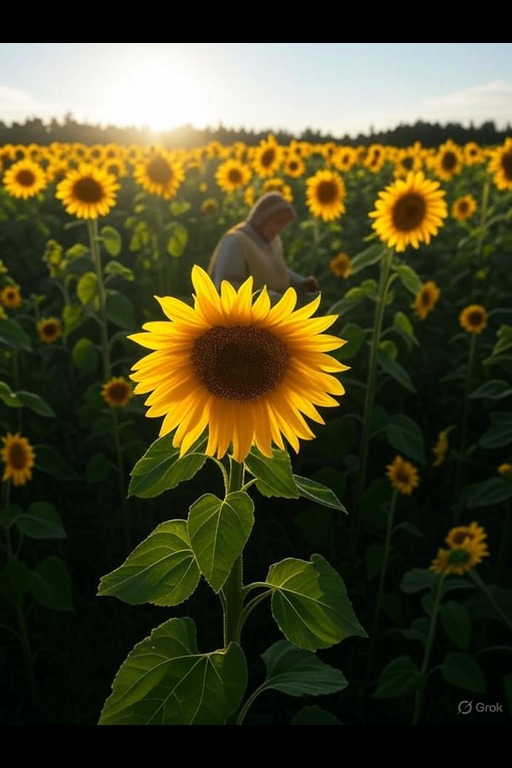
Sunflower is a versatile crop cultivated primarily for its robust fibers and abundant oils. The plant thrives in grassland biomes, where it absorbs sunlight to grow tall and strong. Harvesting involves pulling the stems and retting them to separate the fibers from the woody core. The quality of the final products hinges on meticulous drying and careful combing to prevent decay.
Universal
Biomes
Politics
Alignments
Races
Resources
Classes
Elevations
Religions
World
No accessible MAPs found.
Biome
Politics
Alignment
Race
Resource
Class
HeightMap
Sunflower
Detailed Description
Sunflowers are cultivated across expansive grassland regions, where their bright faces turn towards the sun, symbolizing vitality and growth. The plant is renowned not only for its striking appearance but also for the practical applications derived from its fibers and oils. The fibers, extracted from the stems, possess remarkable strength and flexibility, making them suitable for a variety of textile purposes. In addition, the oils extracted from sunflower seeds are celebrated for their culinary uses, offering a light flavor that enhances numerous dishes. The process of cultivation and harvesting is meticulous, as the condition of the fibers directly affects their usability in textiles and cordage. Harvesting begins with the careful pulling of the sunflower plants, ensuring minimal damage to the stems. Following this, the retting process is crucial; it involves soaking the plants in water to break down the pectins that bind the fibers to the woody core. This step is essential, as it allows for the efficient separation of the valuable fibers from the less desirable parts of the plant. Once retted, the stems must be dried slowly in the open air, with temperature and humidity carefully monitored to avoid rot. Proper drying is paramount, as overly rapid drying can lead to brittleness, while inadequate drying can foster decay. After drying, the fibers are combed, a process that prepares them for spinning into cordage or weaving into textiles. Each stage requires precision and an understanding of the material to achieve the highest quality products. The resulting products from sunflowers are as diverse as their uses. Strong, durable cordage is fashioned from the fibers, providing a reliable material for various applications, from basic bindings to complex textile creations. Sunflower oil, pressed from the seeds, not only finds its way into kitchens but is also a valuable commodity in trade, sought after for its versatility. Textiles made from sunflower fibers offer a unique texture and strength, making them sought after by craftsmen and traders alike. This wide range of products solidifies the sunflower's place in agricultural practices, transforming a simple plant into a cornerstone of local economies and trade networks.
Examples
The products derived from sunflowers include high-quality linen and strong cordage used in various crafts and trades. Pressed sunflower oil is a staple in kitchens, prized for its culinary qualities and health benefits. The fibers can be woven into textiles, offering both durability and aesthetic appeal. Trade goods crafted from sunflowers are sought after in markets, reflecting the crop's importance in commerce. Sunflower-derived products exemplify the intersection of agriculture and industry, showcasing the plant's multifaceted utility.