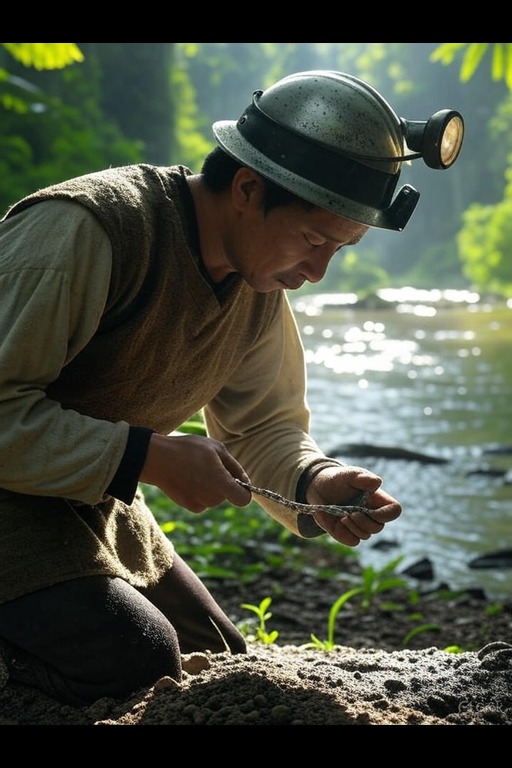
Silver (Alluvial) is a precious mineral often found in narrow veins and pockets within the earth, particularly in regions characterized by tropical seasonal forests. Careful chiseling and washing techniques reveal this sought-after resource, which is prized for both its beauty and utility. As stones fracture easily, miners must exercise caution to separate waste from sound crystals, ensuring that only the finest specimens are collected. Once extracted, these crystals are packed into padded boxes for safe transport and further refinement.
Universal
Biomes
Politics
Alignments
Races
Resources
Classes
Elevations
Religions
World
No accessible MAPs found.
Biome
Politics
Alignment
Race
Resource
Class
HeightMap
Silver (Alluvial)
Detailed Description
In the heart of tropical seasonal forests, Silver (Alluvial) emerges in a delicate relationship with its environment, forming within sedimentary deposits that accumulate over millennia. These deposits are often nestled within rich alluvial soils, shaped by the ceaseless flow of rivers and streams that carve through the landscape. The silver itself is typically found in small, shimmering veins that demand both patience and skill to uncover. Miners employ a combination of tools—chisels and hammers—to carefully excavate these veins, revealing the potential hidden within the earth's embrace. The extraction process requires meticulous attention to detail. Given the propensity of silver stones to fracture, miners must differentiate between usable crystals and waste material. This meticulous sorting is crucial, as any careless handling could lead to the loss of valuable fragments. Once the sound crystals are identified, they are gently packed into padded boxes, ensuring their integrity during transportation to workshops or marketplaces. The presence of silver not only influences the local economy but also shapes the social dynamics of mining communities, where knowledge of the land and its resources is passed down through generations. In artisanal workshops, skilled jewelcrafters take the raw silver and transform it into a variety of products, ranging from coins and ingots to intricate jewelry pieces that capture the eye and imagination. Silver is recognized for its malleability and luster, making it a favored medium for crafting both functional and decorative items. Moreover, its intrinsic value fosters trade opportunities, enabling artisans and merchants alike to connect with distant markets. Beyond its utility in commerce, silver holds significance in various cultural practices. It is often employed in the creation of relics and ceremonial objects, treasured for their aesthetic qualities and the status they convey. This dual role as both a trade good and a medium for artistic expression highlights silver's importance within the broader tapestry of daily life. As demand for silver continues to evolve, the practices surrounding its extraction and use remain vital to the livelihoods of those who seek it in the depths of the earth’s bounty.
Examples
Silver (Alluvial) is commonly transformed into a diverse array of products that reflect both its beauty and practicality. Among the most notable are coins and ingots, which serve as a foundation for trade in many communities. Additionally, jewelers craft exquisite pieces of jewelry, utilizing the metal's lustrous surface to create items of elegance and significance. Religious and cultural relics often incorporate silver, highlighting its role in ceremonial practices. These examples underscore the mineral's multifaceted value as both a resource and a medium of artistic expression.