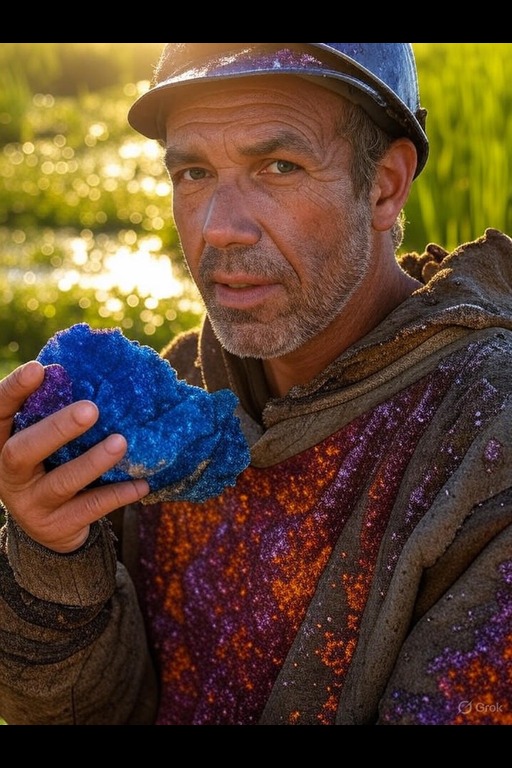
Siderite is a mineral commonly found in wetland environments, often extracted from beds and terraces. Its unique composition makes it suitable for various applications in construction and manufacturing. The mineral is processed into distinct forms, with some being cut into blocks for building, while others are transformed into glass and ceramics through firing or melting. Its versatility ensures a steady demand in trade and industry alike.
Universal
Biomes
Politics
Alignments
Races
Resources
Classes
Elevations
Religions
World
No accessible MAPs found.
Biome
Politics
Alignment
Race
Resource
Class
HeightMap
Siderite
Detailed Description
Siderite is a carbonate mineral, primarily composed of iron carbonate, which is typically found in sedimentary deposits within wetland ecosystems. The mineral often forms in various shades ranging from pale yellow to deep brown, depending on the impurities present within its crystalline structure. Siderite is generally quarried or scooped from shallow beds and terraces, where it can be easily accessed. The extraction process is labor-intensive, requiring careful techniques to avoid damaging the mineral and its surrounding environment. Once extracted, the siderite undergoes a meticulous sorting process. Workers separate large blocks from finer particles, each serving distinct purposes in numerous industries. The cut stone, known for its durability and aesthetic appeal, is frequently used in construction projects such as foundations and decorative facades. The smaller particles, on the other hand, are often fired or melted to produce glass and ceramics, which are valued for their clarity and strength, lending themselves well to both functional and artistic applications. The versatility of siderite extends into trade as well, where it is a sought-after commodity. Artisans and merchants transport processed siderite products to various markets, facilitating a vibrant exchange of goods. Siderite's presence in both construction and manufacturing industries highlights its importance as a resource, ensuring its continued extraction and usage across a wide range of applications. As a result, it plays a significant role in the local economies of regions rich in this mineral, sustaining livelihoods and supporting the growth of surrounding communities. Understanding the properties and uses of siderite is essential for those engaged in quarrying, construction, and related fields, as it informs best practices in its extraction and application.
Examples
Common products derived from siderite include cut stone, which is prized for its robustness and aesthetic qualities in architectural designs. Additionally, the mineral is utilized in the production of various glass and ceramics, providing both functional and decorative items to consumers. Trade goods such as these play a crucial role in the economic activities of regions where siderite is abundant. The mineral's adaptability underlines its significance, ensuring it remains a staple resource in numerous industries.