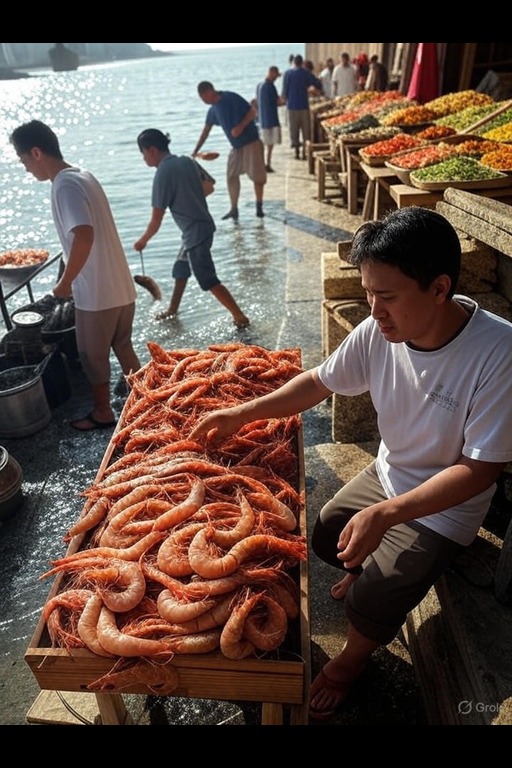
Shrimp is a versatile resource cultivated primarily in marine environments, including both oceanic and freshwater settings. The methods of farming and harvesting are deeply influenced by local climate, soil conditions, and cultural practices. Seasonal variations impact both the quality and quantity of shrimp produced, leading to distinct flavors and textures. Surpluses are often traded with neighboring regions, while preserved forms are favored for long journeys and seasonal provisions.
Universal
Biomes
Politics
Alignments
Races
Resources
Classes
Elevations
Religions
World
No accessible MAPs found.
Biome
Politics
Alignment
Race
Resource
Class
HeightMap
Shrimp
Detailed Description
The cultivation of shrimp is a significant aspect of aquaculture, thriving in a range of habitats from brackish coastal waters to freshwater lakes. Farmers employ various techniques to enhance yield, such as water filtration systems and controlled feeding practices, ensuring optimal growth and health of the shrimp populations. These approaches can vary greatly; some areas utilize extensive methods that mimic natural ecosystems, while others adopt intensive farming practices that prioritize rapid growth and output. The nuances in water quality, temperature, and feed can lead to noticeable differences in taste and texture among shrimp harvested from different environments. As a resource, shrimp is not only valued for its culinary versatility but also for its economic importance. The industry surrounding shrimp encompasses fishing, preserving, and extensive trade networks, with the bounty being shipped across vast distances. Seasonal harvests often dictate market availability, with certain regions experiencing peak production periods that lead to surpluses. These surpluses are typically processed into various forms, making shrimp accessible throughout the year irrespective of the harvesting season. Preservation methods such as smoking, salting, and pickling are traditional techniques that extend the shelf life of shrimp, ensuring that it remains a staple ingredient in cuisines far from the source. Culinary applications of shrimp are diverse and celebrated in many gastronomies. It can be prepared in myriad ways, from simple steaming to complex stews that highlight its delicate flavor. Shrimp oil is extracted for its rich taste and is often used as a base for sauces or dressings, adding depth to many dishes. In addition to its role on the plate, shrimp is an important cultural element, often featured in seasonal festivals and communal feasts where it showcases the region's unique culinary traditions. The resource is not only a sustenance but also a symbol of the connection between the land, water, and the communities that rely on it for their livelihoods.
Examples
Common products derived from shrimp include smoked and salted varieties, which are often enjoyed as snacks or incorporated into various dishes. Pickled shrimp serves as a flavorful appetizer, while hearty shrimp stew is a beloved choice during colder seasons. Additionally, shrimp oil is prized for its ability to enhance the flavors of other ingredients in cooking. These products highlight the adaptability of shrimp in culinary traditions, allowing it to be enjoyed in many forms across different settings.