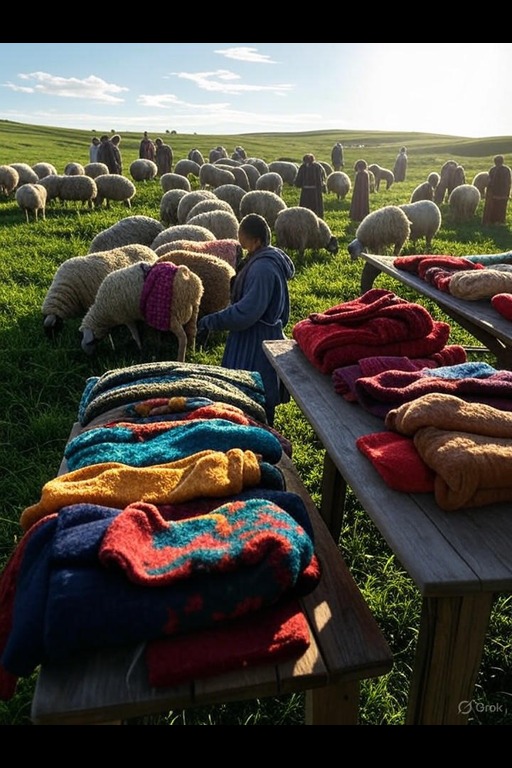
Sheep are cultivated across sprawling grasslands, particularly within savanna and temperate regions. Their management is influenced by local climate patterns and soil fertility, which directly impact the quality and yield of wool, meat, and milk. Seasonal practices dictate the well-being of the flocks, allowing for optimal growth and development. The surplus production is often traded, with preserved forms highly sought after for long journeys and winter supplies.
Universal
Biomes
Politics
Alignments
Races
Resources
Classes
Elevations
Religions
World
No accessible MAPs found.
Biome
Politics
Alignment
Race
Resource
Class
HeightMap
Sheep
Detailed Description
The domestication of sheep has provided societies with a reliable source of meat, wool, and dairy products, making them integral to agricultural practices in many regions. Their grazing habits contribute to the maintenance of grasslands, promoting ecological balance while also yielding diverse resources for human consumption. Proper husbandry techniques are essential, as they ensure healthy flocks capable of thriving in varying environmental conditions. The choice of breed often reflects the specific needs of the farmers, with some varieties better suited for wool production and others for meat or dairy purposes. In addition to providing sustenance, sheep farming fosters cultural traditions that can define entire communities. Seasonal rituals often accompany the herding practices, with shearing events celebrating the bounty of wool and the communal efforts of caretakers. The quality of wool can vary based on the sheep's diet and living conditions, thus influencing the production of textiles made from the fibers. These textiles, ranging from simple garments to intricate weavings, serve not only functional purposes but also embody the artistic expressions of the communities that craft them. Trade networks flourish around sheep products, with merchants seeking high-quality items that have been carefully processed. Fresh meat, along with smoked and cured preparations, finds its way into local markets as well as distant lands. Cured meats are particularly valuable, as they offer extended shelf life, making them essential for survival during harsh seasons or long travels. Broths and stews prepared from sheep provide hearty meals, often enriched with local herbs and vegetables, reflecting the culinary traditions of the people. These dishes not only nourish but also strengthen social bonds during communal gatherings, reinforcing the role of sheep in both sustenance and cultural identity.
Examples
The versatility of sheep allows for a wide array of products that cater to diverse tastes and needs. Fresh cuts of sheep are often grilled or roasted, while smoked versions provide a rich flavor preferred by many. Cured preparations, such as salted or spiced meats, are staples for long journeys, appreciated for their robust taste and longevity. Traditional dishes like sheep stew and broth highlight the resource’s ability to nourish and comfort, making it a beloved choice in many households.