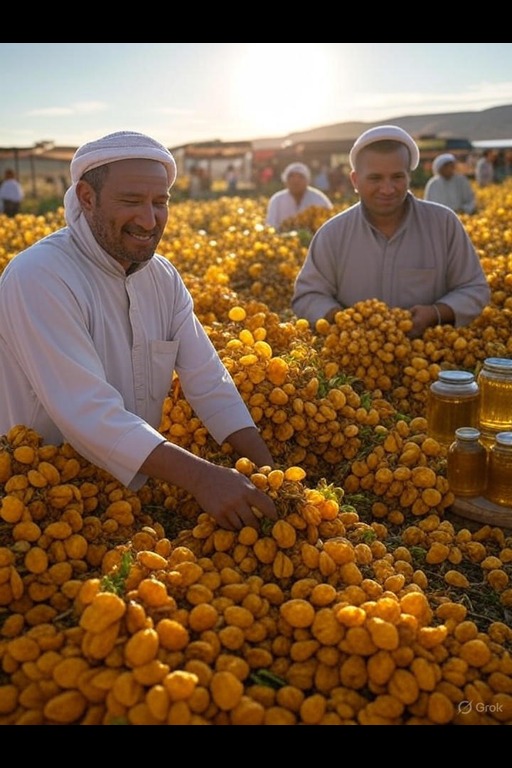
Sesame is a resilient crop thriving in arid environments, particularly within hot deserts and rocky scrublands. Its cultivation is deeply intertwined with local agricultural practices, shaped by the specific climatic conditions and soil types of the region. Farmers often employ seasonal methods that significantly influence the quality and yield of the harvest. Surpluses of sesame are regularly traded with neighboring areas, with preserved forms of the crop particularly valued for long-distance journeys and winter reserves.
Universal
Biomes
Politics
Alignments
Races
Resources
Classes
Elevations
Religions
World
No accessible MAPs found.
Biome
Politics
Alignment
Race
Resource
Class
HeightMap
Sesame
Detailed Description
The sesame plant is known for its adaptability, able to flourish in environments characterized by low rainfall and high temperatures. Its small, oval seeds are encased in elongated pods that burst open when mature, scattering their contents across the landscape. This natural dispersal method is complemented by traditional harvesting techniques that have been refined over generations. Farmers often wait for the optimal moment when the pods are ripe enough to ensure a bountiful yield without excessive loss to the elements or wildlife. Cultivation practices are closely monitored, with careful attention given to soil quality and moisture retention, which are critical in arid regions. The process of extracting oil from sesame seeds is an essential industry, as the oil is highly prized for its flavor and nutritional benefits. Oil pressing methods have evolved, ranging from traditional stone milling to more modern mechanical processes, yet artisans maintain a commitment to preserving the rich flavor profiles that define high-quality sesame oil. Beyond oil, sesame seeds are also transformed into pastes and condiments, which serve as staples in various culinary traditions. These products are not only integral to local diets but are also sought after in regional trade, where they are exchanged for other goods or consumed as delicacies. The versatility of sesame extends to soapmaking, where its oil serves as a base for crafting moisturizing soaps, appealing to consumers seeking natural ingredients. This practice highlights the plant's role in supporting both health and beauty industries. The seeds' rich nutrient profile also makes them a popular choice among nutritionists and food enthusiasts, often featured in an array of dishes from salads to desserts. Seasonal trading routes bustling with caravans underscore sesame's economic importance, as travelers stock up on preserved forms of the crop, ensuring sustenance during long journeys across the inhospitable terrains. In summary, sesame is more than just a crop; it is a symbol of resilience and adaptability in the face of climate challenges. The multifaceted uses of sesame across different industries, coupled with its cultural significance, bolster its role as a vital resource in numerous regions. As cultivation practices continue to evolve, the impact of sesame on local economies and diets remains profound, cementing its status in the agricultural landscape.
Examples
Common products derived from sesame include oil, which is often used for cooking and dressing, and sesame paste, a key ingredient in various cuisines. Pressed sesame cake is another product, serving as a nutritious snack or ingredient in baking. Additionally, soap made from sesame oil is favored for its moisturizing properties, while various sesame condiments add unique flavors to dishes. The enduring popularity of these products speaks to the versatility and value of this remarkable crop.