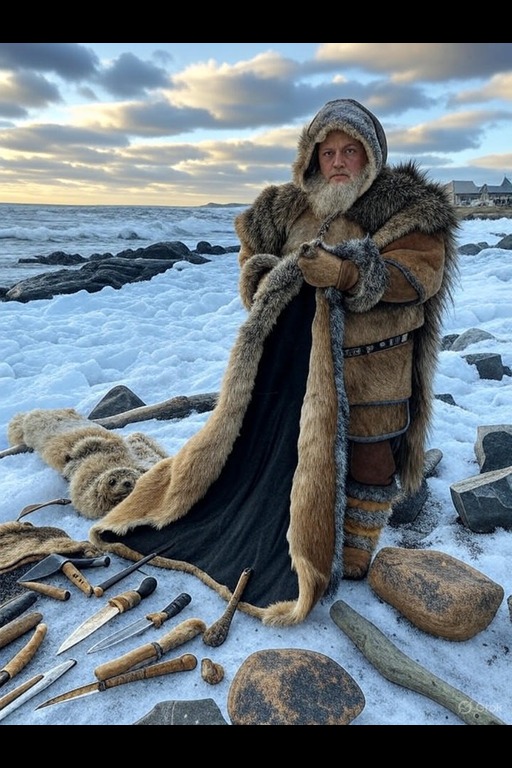
Seal Skins (Stranded) are a valuable resource found naturally in the harsh climates of subpolar scrub, subpolar deserts, and glacial regions. These skins are harvested with careful consideration to seasonal cycles and sustainable practices, ensuring that local populations can thrive without depleting the resource. They play a crucial role in supporting various crafts and trade, with many settlements strategically located near reliable sources. The versatility of seal skins allows for a range of culinary and trade applications, enhancing local economies.
Universal
Biomes
Politics
Alignments
Races
Resources
Classes
Elevations
Religions
World
No accessible MAPs found.
Biome
Politics
Alignment
Race
Resource
Class
HeightMap
Seal Skins (Stranded)
Detailed Description
In the frigid realms of subpolar climates, Seal Skins (Stranded) emerge as a crucial natural resource. Harvesters venture into these challenging environments, where the skins can be found washed ashore or collected through traditional hunting practices. The process of gathering these skins is deeply intertwined with the rhythm of the seasons, as the availability of seal populations fluctuates throughout the year. Skilled gatherers are adept at discerning the optimal times for collection, ensuring that they do not overharvest and that the ecosystems remain balanced, allowing for the sustainability of this important resource. The uses of seal skins extend far beyond their initial acquisition. In local culinary industries, they are transformed into a variety of products, bringing rich flavors and nutritional value to the table. Dried goods and preserves made from seal skins often incorporate spices and salts that enhance their appeal and shelf-life, making them prized ingredients in many traditional dishes. Moreover, the craft of tanning these skins results in durable materials that are sought after for clothing, shelter, and tools, forming the backbone of many local artisanal trades. Trade routes often flourish in areas where seal skins are abundant, creating economic networks that bind communities together. The skins can be bundled into trade packs, facilitating exchanges not only of goods but also of cultural practices and knowledge between different settlements. This trade is vital for the survival of many local economies, as they rely heavily on the bounty of the land and sea. As such, the resource is not merely a commodity; it is a linchpin in the interconnected web of life in these stark landscapes, supporting livelihoods and sustaining communities across generations.
Examples
Various products derived from Seal Skins (Stranded) showcase the resource's versatility. Culinary applications include rich preserves that capture the essence of the subpolar environment, often paired with aromatic spices to enhance their flavors. Additionally, dried goods made from these skins offer a unique taste and texture, making them popular in local diets. The trade packs created from seal skins serve as essential items for barter, while the salts and spices used in preparation highlight the resource's significance in cultural practices and trade activities.