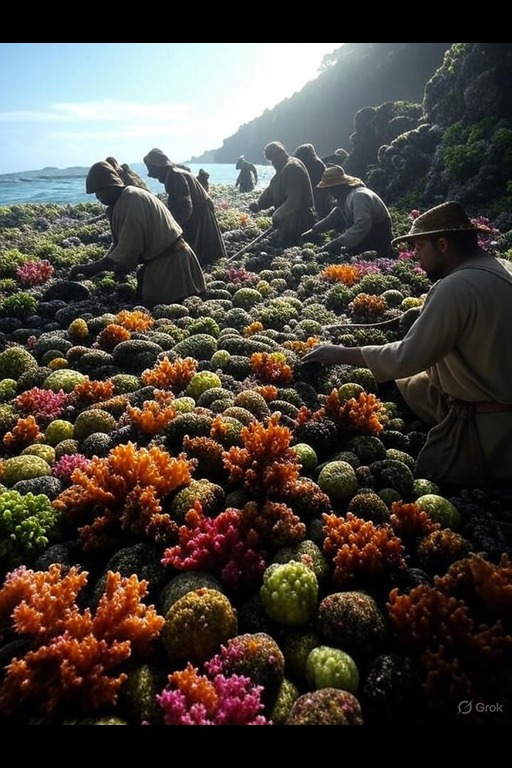
Sea cucumbers are a versatile resource cultivated in the ocean’s depths, thriving in a variety of marine ecosystems. Their growth is influenced by factors such as water temperature, salinity, and local practices. As a staple in aquaculture, these creatures are harvested for culinary purposes and preserved for long-term storage. Seasonal fluctuations in availability often lead to vibrant trade between coastal communities.
Universal
Biomes
Politics
Alignments
Races
Resources
Classes
Elevations
Religions
World
No accessible MAPs found.
Biome
Politics
Alignment
Race
Resource
Class
HeightMap
Sea Cucumbers
Detailed Description
The cultivation of sea cucumbers is an intricate process that involves careful management of marine environments. These organisms play a crucial role in their ecosystems, contributing to nutrient recycling and sediment turnover. Farmers often select specific species based on local conditions and market demand, employing various sustainable practices to ensure healthy populations. The techniques for harvesting can vary from hand collection to more advanced aquaculture systems, depending on the size and scale of the operation. Water quality is a critical component in the growth of sea cucumbers. Ocean currents, seasonal temperature changes, and the presence of natural flora all contribute to the ideal environment for these creatures. Farmers often monitor these factors closely, adjusting their methods accordingly to optimize yield. For example, some regions may employ net enclosures to protect their crops from predators, while others rely on traditional harvesting methods that have been passed down through generations. The culinary uses of sea cucumbers are varied and celebrated across numerous coastal communities. Chefs and home cooks alike have discovered myriad ways to incorporate these unique marine delicacies into their dishes. Popular preparations include smoking, salting, and pickling, each technique enhancing the flavor and extending the shelf life of the product. Sea cucumbers can also be transformed into rich, hearty stews or reduced to oil, which is prized for its culinary applications. The versatility of this resource makes it a staple in both everyday meals and festive banquets. Beyond their culinary appeal, sea cucumbers play a significant role in local economies. Surpluses of harvested sea cucumbers are often traded with neighboring regions, fostering a network of commerce that supports various industries. The preservation methods not only ensure that the product lasts through harsh winters but also allow for trade caravans to transport them over long distances. As a result, sea cucumbers are not merely a food source; they are woven into the fabric of trade and community life.
Examples
Common examples of sea cucumber products include smoked and salted varieties, which are favored for their robust flavors and longevity. Pickled sea cucumbers are often served as a tangy side dish, while hearty stews featuring them are a beloved comfort food. Sea cucumber oil, extracted through careful processing, is used both in cooking and as a dietary supplement, prized for its supposed health benefits. Each preparation method highlights the unique texture and nuanced taste of this marine resource.