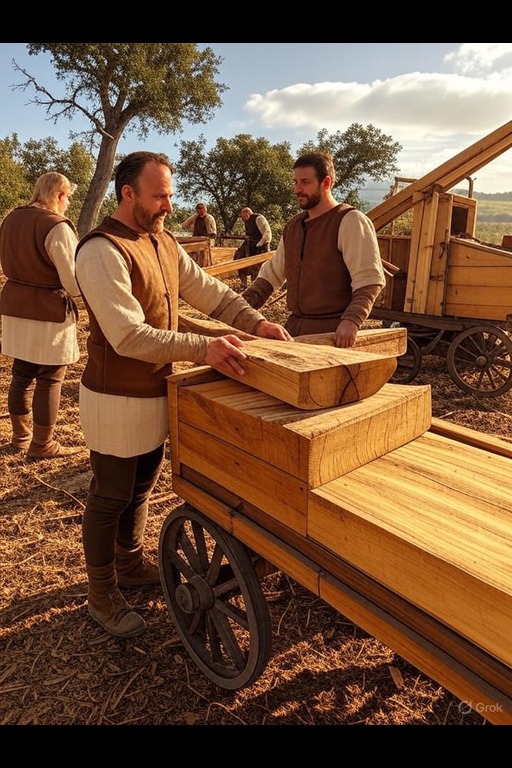
Scrub Oak Timber occurs naturally in xeric scrubland, thriving in arid conditions where few other trees flourish. Harvesters utilize their knowledge of seasonal growth patterns and sustainable practices to gather this resource without exhausting local stocks. It serves as a cornerstone for various crafts and trades, reinforcing the economies of settlements situated near reliable sources. The timber exhibits a unique resilience, making it an excellent choice for construction and shipbuilding projects alike.
Universal
Biomes
Politics
Alignments
Races
Resources
Classes
Elevations
Religions
World
No accessible MAPs found.
Biome
Politics
Alignment
Race
Resource
Class
HeightMap
Scrub Oak Timber
Detailed Description
Scrub Oak Timber is derived from the scrub oak tree, a hardy species well-adapted to the often harsh climates of xeric scrublands. These woodlands, characterized by sparse vegetation and dry conditions, provide the perfect environment for scrub oaks to thrive. The timber is revered for its durability and versatility, making it a favored choice among builders, craftsmen, and artisans. As a resource, it supports a variety of industries, including logging, construction, carpentry, and even shipbuilding, where its strength is particularly valued in the creation of hulls and frameworks. Harvesting this timber requires a careful balance of skill and environmental awareness. Craftsmen and loggers must be attuned to the seasonal patterns of growth to ensure that they gather wood sustainably, allowing for regeneration and preventing over-exploitation of local resources. The process of harvesting involves identifying mature trees that can be felled without disrupting the ecosystem. Proper techniques are essential to minimize waste and ensure that the woodland’s integrity remains intact, allowing future generations the opportunity to benefit from this valuable resource. In addition to its use in construction, Scrub Oak Timber is often processed into various products. Carpenters transform it into sturdy planks and beams, suitable for all manner of building projects. The timber can also be utilized to create tools and implements that stand the test of time due to its robust nature. Beyond that, the wood can be converted into charcoal, a sought-after commodity in many regions, while its resin can be harvested to produce pitch for sealing and waterproofing purposes. Thus, it plays a crucial role not only in local economies but also in sustaining the traditional crafts that have been passed down through generations. The trade of Scrub Oak Timber contributes significantly to local markets, as settlements that lie in proximity to abundant sources often flourish economically. Craftsmen and merchants engage in a vibrant exchange, fostering community ties and ensuring that the knowledge of woodworking and sustainable practices is preserved. As a resource, Scrub Oak Timber is more than just a building material; it is a vital part of the cultural and economic landscape of the areas it influences, embodying the resilience and adaptability of life in xeric environments.
Examples
Examples of products made from Scrub Oak Timber include planks and beams that serve as the backbone of sturdy structures. Artisans craft wooden tools that showcase the wood’s durability, while charcoal produced from the timber is prized for its burning properties. Additionally, resin pitch derived from the oak’s sap finds utility in various applications, highlighting the resource’s diverse potential. These products reflect the timber's integral role in both everyday life and the crafting of essential goods.