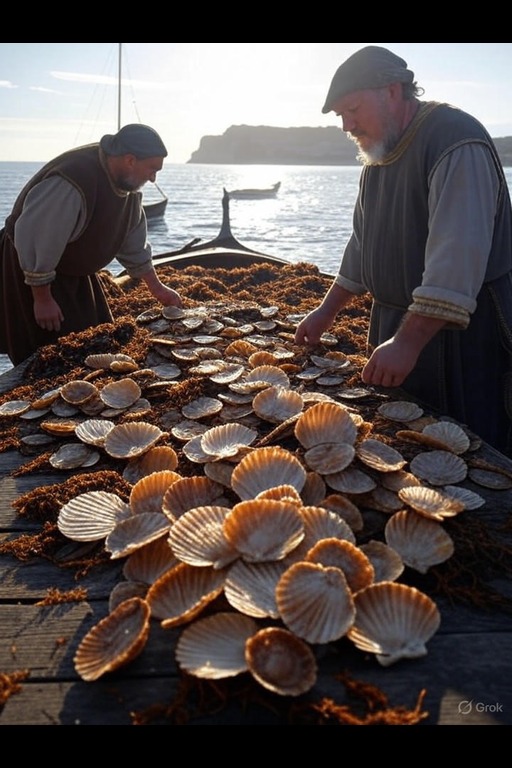
Scallops are cultivated in the depths of the ocean, where the confluence of currents and nutrient-rich waters create ideal conditions for their growth. These bivalves thrive in marine environments, shaped by local climate and seasonal practices. Harvesting methods vary, with traditional techniques passed down through generations influencing both quality and yield. As a result, scallops often become a vital commodity, with surplus products traded across regions to sustain local economies.
Universal
Biomes
Politics
Alignments
Races
Resources
Classes
Elevations
Religions
World
No accessible MAPs found.
Biome
Politics
Alignment
Race
Resource
Class
HeightMap
Scallops
Detailed Description
The cultivation of scallops occurs primarily in aquaculture settings, where practitioners carefully manage the environmental conditions to enhance both growth and flavor. These bivalves are typically found in sandy or muddy substrates, where they can burrow and feed on phytoplankton and organic matter suspended in the water. The maintenance of clean water and appropriate salinity levels is crucial, as any fluctuations can impact the health of the scallops. Farmers often employ sustainable techniques that respect the natural ecosystem while optimizing yield, ensuring a consistent supply throughout the seasons. Scallops are harvested using a variety of methods, with some relying on dredging and others on hand-collecting. The timing of the harvest is essential, as scallops have peak seasons when their flavor is at its best, often linked to specific lunar cycles or water temperatures. Once collected, they are often processed quickly to preserve their freshness, with options ranging from smoking to salting. These techniques not only enhance the flavor but also extend the shelf life of the scallops, making them suitable for trade over long distances. The culinary applications of scallops are diverse and cherished in many regions. They can be prepared in numerous ways, from simple searing to more elaborate dishes such as stews or paellas. The delicate flavor of scallops lends itself well to pairing with a variety of ingredients, including citrus, herbs, and spices, which can highlight their natural sweetness. Additionally, preserved forms of scallops, such as smoked or pickled varieties, are popular among merchants and travelers who rely on durable food sources for extended journeys or during harsher seasons. As an important commodity, scallops contribute significantly to local economies, with trade routes established to facilitate their distribution. Caravans often transport preserved scallops, allowing for their enjoyment far from coastal regions. The seasonal variations in harvesting practices result in fluctuations in availability and price, making scallops a dynamic resource that reflects the rhythms of both nature and human enterprise.
Examples
Culinary uses of scallops include dishes such as smoked scallops, which offer a bold, rich flavor that can enhance numerous recipes. Salted scallops provide a savory option that pairs well with grains and vegetables, while pickled scallops serve as a tangy addition to appetizers. Scallops stew is a comforting dish, often brimming with fresh herbs and spices that complement the bivalves' natural sweetness. Additionally, scallops oil, derived from the cooking process, is utilized in dressings and sauces to impart a distinct seafood essence.