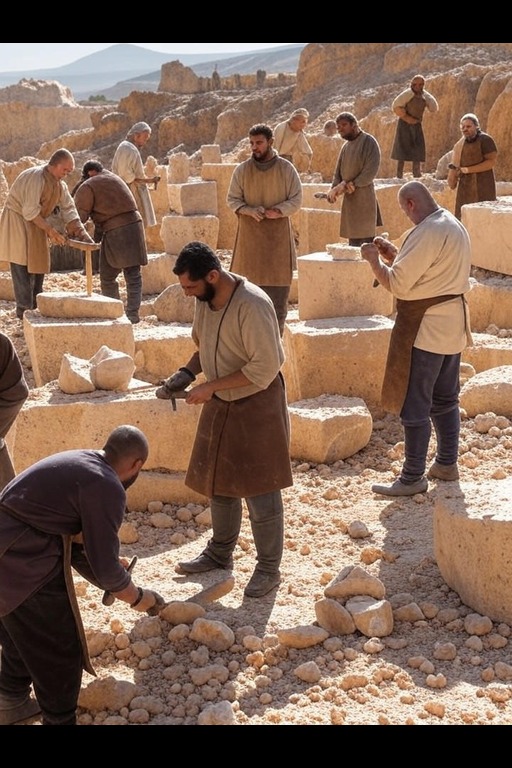
Sandstone is a sedimentary rock that forms in arid environments, particularly in hot deserts and scrublands. This versatile material is essential for various industries, including masonry and construction. Harvesters must skillfully extract sandstone to ensure sustainable practices while supporting local economies. Settlements often develop around its abundant sources, facilitating trade and craftsmanship reliant on this resource.
Universal
Biomes
Politics
Alignments
Races
Resources
Classes
Elevations
Religions
World
No accessible MAPs found.
Biome
Politics
Alignment
Race
Resource
Class
HeightMap
Sandstone
Detailed Description
Formed from the accumulation of sand-sized mineral particles, sandstone is typically composed of quartz and feldspar, held together by natural cementation processes. Over time, geological shifts and weathering expose sandstone deposits, making it accessible for extraction. Its widespread availability in arid and temperate regions allows for a diverse range of uses, from basic construction to artistic endeavors. The porous nature of sandstone also plays a critical role in regional water drainage and soil retention, further contributing to its ecological importance in dry environments. Craftsmen utilize sandstone for a variety of products, showcasing its adaptability. Cut blocks are commonly employed in the construction of sturdy buildings and infrastructure, while expertly sculpted statues serve both decorative and commemorative purposes. The fine particles of sandstone can be ground into gravel for landscaping or used to create paving stones that offer durability and aesthetic appeal. Moreover, artisans often appreciate the varied colors and textures afforded by different sandstone deposits, enhancing the visual richness of their creations. Harvesting sandstone involves a careful balance between economic need and environmental responsibility. Skilled workers must monitor local stocks and employ methods that minimize disruption to the surrounding landscape. Wise practices ensure that the resource remains accessible for future generations, fostering a sustainable relationship with the land. Additionally, trade in sandstone products often thrives, as regions rich in this material become hubs for commerce and craftsmanship, attracting artisans and builders alike. The collaborative nature of these industries often leads to shared techniques and innovations, enriching the cultural tapestry of the area and its inhabitants.
Examples
Examples of sandstone products are numerous and varied, reflecting the resource's versatility. Cut blocks are often used in the foundations of buildings and walls, providing structural integrity. Sculptures carved from sandstone can be found in numerous public and private spaces, showcasing the artistry of local craftsmen. Additionally, grindstones made from this material are essential tools for sharpening blades and implements, while gravel derived from sandstone serves various landscaping needs. Paving stones, crafted for durability and aesthetic appeal, enhance pathways and outdoor areas, making sandstone an invaluable resource in many communities.