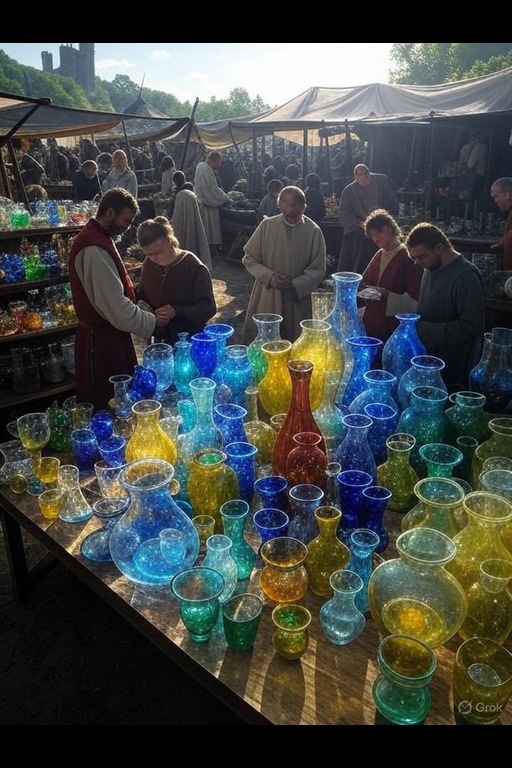
Sand, specifically silica, is a versatile mineral that is primarily obtained from wetland beds and terraces. It can be quarried or scooped, with various grades being sorted for different applications. While some of this mineral is cut for constructing durable stonework, others are processed into fine materials like glass and ceramics. The resource plays a crucial role across multiple industries, from construction to trade, making it a staple in many economies.
Universal
Biomes
Politics
Alignments
Races
Resources
Classes
Elevations
Religions
World
No accessible MAPs found.
Biome
Politics
Alignment
Race
Resource
Class
HeightMap
Sand (Silica)
Detailed Description
Silica sand is formed through the weathering and erosion of rocks, primarily quartz, which is abundant in many environments. In wetland areas, the accumulation of sand can create deposits that are rich in this mineral. Quarried or collected from these beds, silica sand is often evaluated for its purity, grain size, and shape, which significantly influence its end-use. Once harvested, the sand undergoes a meticulous process of sorting and grading. This ensures that the material meets industry standards for specific applications, whether in construction, glass, or ceramics. The construction industry relies heavily on silica sand for the production of concrete, mortar, and asphalt. Cut stone, a popular building material, often contains silica in varying proportions. In addition to its structural uses, sand is integral to the manufacture of glass. This involves melting the silica at high temperatures to produce sheets, containers, and a variety of decorative items. Ceramics, too, benefit from silica as a primary ingredient, providing strength and durability to pottery, tiles, and other crafted goods. The minerals' ability to withstand high temperatures renders it particularly valuable in industries that require heat-resistant materials. Trade dynamics surrounding silica sand can be complex, as regions with rich deposits often export this resource to areas lacking sufficient supply. The demand for silica sand has grown in tandem with booming construction and glass-making sectors, leading to competitive markets. Properly managed, silica sand extraction can yield significant economic benefits, but it also requires careful consideration of environmental impacts. Sustainable practices are necessary to mitigate the ecological consequences of quarrying in wetland ecosystems, ensuring a balance between resource utilization and environmental preservation.
Examples
Examples of products derived from silica sand include cut stone used in building facades and structures, glass items ranging from windows to decorative art pieces, and ceramics that serve both functional and aesthetic purposes. Additionally, in the realm of trade, silica sand itself is frequently exchanged as a raw material, catering to various industries that require specific grades and qualities. The adaptability of silica ensures its continued relevance across multiple spheres of production and commerce.