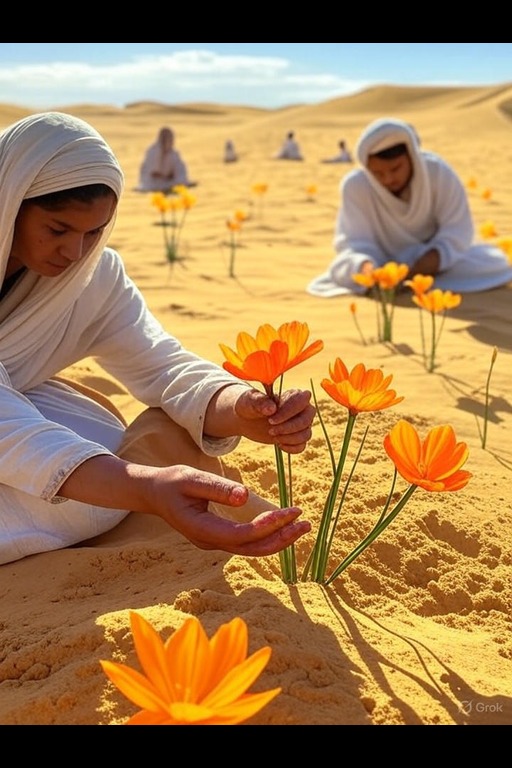
Saffron is a prized spice cultivated in hot desert regions, where the arid climate and specific soil types create ideal growing conditions. The delicate flowers bloom seasonally, with traditional harvesting methods ensuring the highest quality yields. Once harvested, the vibrant red stigmas are carefully processed for various uses, particularly in culinary applications. Surpluses are often traded with neighboring regions, while preserved forms are favored by caravans for their long shelf life during journeys.
Universal
Biomes
Politics
Alignments
Races
Resources
Classes
Elevations
Religions
World
No accessible MAPs found.
Biome
Politics
Alignment
Race
Resource
Class
HeightMap
Saffron
Detailed Description
The cultivation of saffron is a meticulous process, beginning with the selection of suitable land that boasts well-drained soil and ample sunlight. In the hot desert biome, the stark contrast between day and night temperatures promotes the development of the flower’s distinctive qualities. Farmers typically plant saffron corms in the early fall, allowing them to establish roots before the harsh heat of summer arrives. As the flowers bloom in the autumn, skilled hands delicately harvest the vivid red stigmas, which are the essence of saffron. This labor-intensive process often requires the participation of entire families or communities, highlighting the cultural significance of saffron cultivation. Once harvested, the saffron is subjected to careful drying to preserve its unique flavor and color. Proper drying techniques are crucial, as moisture can lead to spoilage and loss of potency. The dried stigmas are then stored in airtight containers to maintain their freshness for extended periods. The resulting saffron is a sought-after ingredient in numerous culinary traditions, valued for its ability to impart a rich, golden hue and a complex, aromatic flavor to dishes. Beyond its culinary applications, saffron also finds a place in herbalism and alchemy, where it is used in tinctures and other preparations, though it is primarily cherished for its gastronomic contributions. Trade routes flourish as saffron surpluses are exchanged for goods and services with neighboring regions. Caravans traveling across the vast desert landscapes stock their supplies with preserved saffron, recognizing its value not only as a seasoning but also as a means of enhancing the flavors of simple rations. The spice’s long shelf life makes it an indispensable item for merchants and adventurers alike. As a result, saffron has woven itself into the economic and cultural fabric of desert communities, becoming a symbol of abundance and skill in agriculture. Through generations, the knowledge and techniques of saffron cultivation have been passed down, ensuring its continued prominence in both local and distant markets.
Examples
Ground saffron is commonly used as a flavoring agent in various dishes, infusing them with its signature color and aroma. Saffron tincture, a concentrated extract, serves as a versatile ingredient in both culinary and medicinal applications. Saffron tea offers a soothing beverage option, cherished for its fragrant notes and potential health benefits. Blends incorporating saffron as a key spice can elevate everyday meals, while saffron salve is crafted for its aromatic qualities and skin-soothing properties. Each product reflects the rich heritage and careful craftsmanship involved in saffron production.