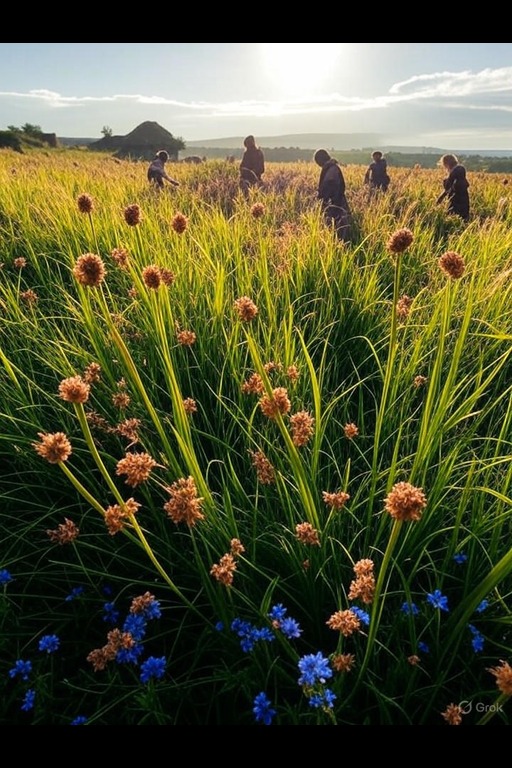
Rye is a hardy cereal grain, primarily cultivated in temperate grasslands and forests. Its adaptability to a variety of soils and climates makes it a staple in many agricultural systems. Harvested for both its grain and its straw, rye plays a crucial role in local economies, supporting industries from baking to brewing. Seasonal farming practices influence its quality and yield, with surpluses often traded among neighboring regions.
Universal
Biomes
Politics
Alignments
Races
Resources
Classes
Elevations
Religions
World
No accessible MAPs found.
Biome
Politics
Alignment
Race
Resource
Class
HeightMap
Rye
Detailed Description
The cultivation of rye is closely tied to temperate climates, where it thrives in dry grasslands and moist woodlands alike. Its resilience in less fertile soils sets it apart from other grains, allowing it to flourish where wheat and barley may struggle. Farmers often employ traditional methods to maintain the health of their crops, emphasizing the importance of seasonal cycles. The labor-intensive nature of rye cultivation ensures that each harvest is a testament to the farmer's skill and dedication, with local knowledge passed down through generations shaping farming practices and crop management techniques. Upon reaching maturity, rye produces dense heads filled with grains that are rich in nutrients. These grains are typically harvested in late summer or early autumn, their golden hue contrasting against the green of still-growing crops. After harvesting, the grains undergo a process of drying and curing to prepare them for milling. Rye flour, known for its distinctive flavor and denser texture compared to wheat, is milled into a variety of products. Bakers value rye for its ability to impart a unique taste to bread, while brewers appreciate its contribution to crafting robust, hearty beers. The versatility of rye extends beyond the kitchen. Rye straw, a byproduct of harvesting, serves numerous practical applications. It is often used for animal bedding, as well as in the crafting of various rustic goods. Additionally, preserved forms of rye, such as crackers or porridge, are sought after for long journeys and winter stores, offering sustenance that withstands the test of time. Trade networks flourish around the exchange of rye products, binding regions together through the shared value of this resilient grain. Thus, rye stands as a vital resource, supporting livelihoods and culinary traditions alike.
Examples
Common products derived from rye include rye flour, which serves as a base for various baked goods, and rye bread, known for its hearty and slightly tangy flavor. Rye porridge, a warm and nourishing dish, is often consumed as a breakfast staple. Additionally, rye beer, with its robust character, has gained popularity among artisans and casual drinkers alike. Rye crackers provide a crunchy snack option, enjoyed plain or paired with cheeses and spreads.