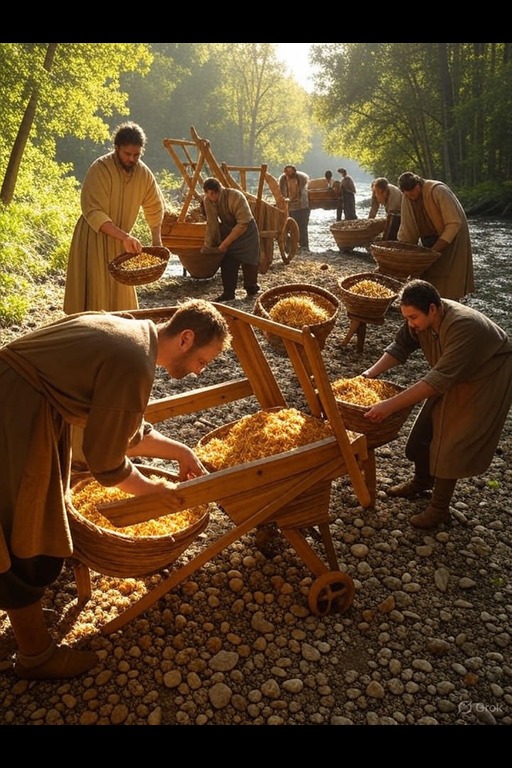
Riversand is a naturally occurring resource found within temperate deciduous forests. This fine-grained material is collected by skilled harvesters who time their efforts to align with seasonal changes, ensuring sustainable extraction. Its presence near settlements has fostered local crafts and trade, making it an integral part of regional economies. Riversand is esteemed for its versatility, supporting a range of culinary applications and trading ventures.
Universal
Biomes
Politics
Alignments
Races
Resources
Classes
Elevations
Religions
World
No accessible MAPs found.
Biome
Politics
Alignment
Race
Resource
Class
HeightMap
Riversand
Detailed Description
Within the lush confines of temperate deciduous forests, riversand emerges as a valuable resource, shaped by the confluence of flowing water and the forest's rich organic matter. The material, known for its unique texture and binding properties, is typically found in areas where watercourses meander through the landscape, depositing silt and fine particles that accumulate over time. Harvesters, attuned to the rhythms of nature, gather riversand with care, often using traditional methods that have been passed down through generations. The skill involved in collecting this resource directly influences its availability and quality, making the understanding of seasonal patterns crucial for sustainable practices. Riversand plays a significant role in local economies, where it supports various industries, particularly culinary and trade. In culinary applications, it is often utilized as a natural thickening agent or binding agent in diverse recipes, enhancing both texture and flavor. Artisans and cooks alike appreciate the distinct qualities riversand brings to preserved foods and dried goods, transforming simple ingredients into sought-after delicacies. As settlements flourish around riversand deposits, local markets thrive, with traders exchanging goods that highlight the resource's versatility, including spice blends and unique salts that incorporate the material into their production. The importance of riversand extends beyond its immediate uses. The presence of this resource influences settlement patterns, with communities forming around reliable sources for easy access. As a result, the cultural significance of riversand is intertwined with local traditions and livelihoods. Festivals celebrating the harvest of riversand often occur, showcasing communal efforts and reinforcing connections between the land and its inhabitants. The careful management of riversand resources reflects a broader understanding of environmental stewardship, emphasizing the need for balance between exploitation and conservation. Thus, riversand is not merely a commodity but a symbol of the relationship between people and the landscape they inhabit.
Examples
Examples of products derived from riversand include a variety of dried goods, which benefit from its binding properties during preservation. Artisans often incorporate riversand into unique spice blends that enhance flavors and textures, while traders create specialized packs for local markets, emphasizing the material's value. Salts infused with riversand are also popular, offering a distinct taste that elevates culinary creations. The versatility of riversand supports a thriving trade ecosystem, where quality and sustainability are highly prized.