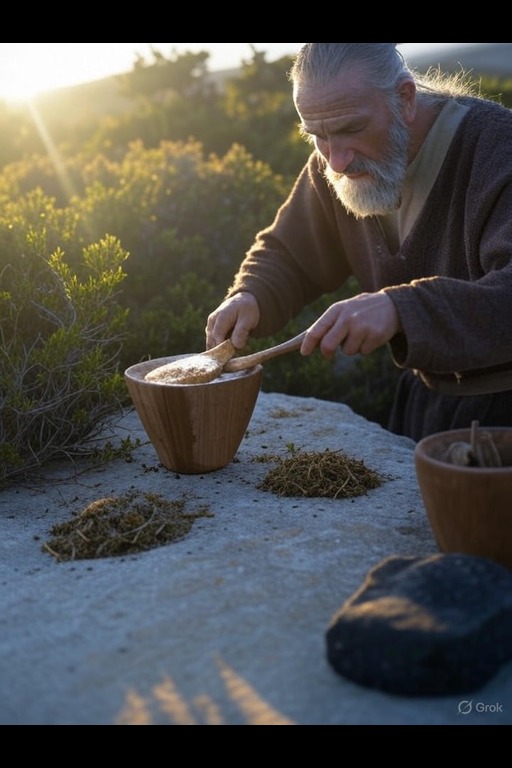
Resinous Shrub Sap is a vital resource found in the Subpolar scrub biome. Harvesters skillfully gather this sap while maintaining the ecological balance of its source. This substance plays a significant role in local industries, supporting crafts and trade. Many communities thrive near abundant supplies of this valuable material, fostering a robust economy centered around its collection and use.
Universal
Biomes
Politics
Alignments
Races
Resources
Classes
Elevations
Religions
World
No accessible MAPs found.
Biome
Politics
Alignment
Race
Resource
Class
HeightMap
Resinous Shrub Sap
Detailed Description
The sap extracted from resinous shrubs is a thick, viscous substance that oozes from the bark during certain seasons. Its collection requires careful timing and technique, as overharvesting can jeopardize the health of the shrubs and diminish future yields. The sap is typically harvested in the early morning or late afternoon when it flows most freely, allowing gatherers to maximize their efforts without harming the plants. This reliance on natural rhythms highlights the interconnectedness of the resource and those who depend on it for their livelihoods. The industries that utilize resinous shrub sap are diverse and pivotal to the economy of regions where it is found. In pitchmaking, the sap is refined and processed into a durable substance used for waterproofing and sealing wooden vessels, which is crucial for both domestic and commercial applications. The incense produced from the sap is highly sought after for its aromatic qualities, often used in rituals or to create a soothing atmosphere in homes and public spaces. Additionally, the medicinal properties attributed to properly prepared salves made from this sap have made it a staple in local healing practices, providing relief for various ailments and injuries. Trade in resinous shrub sap and its byproducts fosters connections between communities, with caravans transporting these goods to distant markets. Sealed jars containing the sap are commonly exchanged, valued for their versatility and ease of storage. Furthermore, torch fuel derived from the sap burns brightly and steadily, making it an essential commodity for illumination in the long, dark nights characteristic of subpolar regions. Thus, the resinous shrub sap not only sustains local industries but also strengthens the bonds between disparate communities, creating a web of interdependence centered on this remarkable natural resource.
Examples
Products crafted from resinous shrub sap include pitch, which is essential for waterproofing, and incense cones that fill spaces with rich aromas. Salves made from this sap are frequently employed in traditional medicine, providing remedies for various ailments. Sealed jars of sap are traded widely, prized for their practicality and versatility. Additionally, torch fuel derived from the sap serves as a reliable source of light during long nights, making it indispensable in many households.