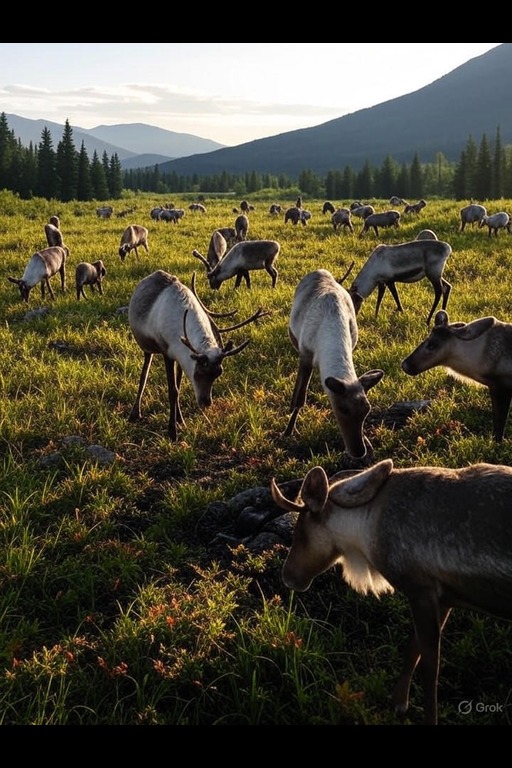
Reindeer Herding encompasses the careful management and breeding of reindeer for various products vital to survival in harsh climates. These animals thrive in the taiga biome, where they are provided with ample feed and clean water. As the seasons shift, herders engage in the practice of culling or gathering to maintain the health of the herd. The resultant products are preserved through smoking, salting, or curing methods, ensuring they can endure long distances during trade or storage.
Universal
Biomes
Politics
Alignments
Races
Resources
Classes
Elevations
Religions
World
No accessible MAPs found.
Biome
Politics
Alignment
Race
Resource
Class
HeightMap
Reindeer Herding
Detailed Description
The art of reindeer herding involves a deep understanding of animal behavior and the ecological balance of the taiga. Herders establish a symbiotic relationship with their reindeer, tending to their needs while also benefiting from the resources they provide. The animals graze on the rich vegetation native to the taiga, which consists of hardy grasses and lichens, ensuring they receive a nutritious diet. Regular monitoring and care are essential, as the health of the herd directly influences the livelihood of the herders and their communities. As the seasons turn, herders implement strategic practices to manage their herds effectively. During the warmer months, herding becomes focused on allowing the reindeer to roam freely in search of food, while in winter, when resources become scarce, the animals are gathered and monitored closely. Culling is performed with care, often aimed at removing weaker specimens to maintain a robust and productive herd. This practice is not only practical but also imbues the herders with a sense of stewardship, ensuring the longevity of both the herd and the environment they inhabit. The products derived from reindeer are integral to the food trade and various industries, including husbandry and preservation. Reindeer meat serves as a primary source of sustenance, rich in nutrients and flavor. In addition to meat, the animals also produce dairy, which is crafted into various forms, including cheese and milk. The preservation of these products is crucial, particularly in regions where access to fresh supplies may be limited. Techniques such as smoking, salting, and curing enable the herders to extend the shelf life of their goods, making them suitable for long voyages and trade. Further, the hides of reindeer are transformed into durable leather, serving multiple functions, from clothing to shelter. The versatility of the animal ensures that nearly every part is utilized, reflecting a culture of resourcefulness and respect for the natural world. This holistic approach to reindeer herding highlights not only the practicalities of survival but also the profound connections forged between herders and their environment.
Examples
Common products resulting from reindeer herding include a variety of meats and fish, providing both nourishment and trade opportunities. Dairy products such as milk and cheese are frequently produced, adding richness to the diets of those involved in herding. Cured goods, preserved through traditional methods, allow for the sustenance of communities during harsh seasons. Additionally, trade goods crafted from reindeer leather serve as valuable commodities, showcasing the skill and artistry of the herders.