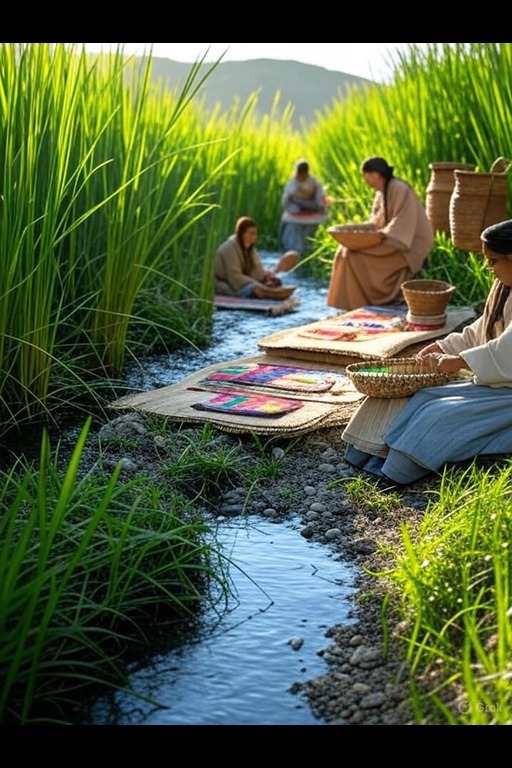
Reedbeds, often found in arid regions known as wadis, are vital ecosystems that thrive in xeric scrublands. These habitats provide essential resources for local communities, particularly for harvesting and crafting. The versatile reeds support various industries, including weaving and papermaking, and play a significant role in trade. Their sustainability relies on careful management and the expertise of skilled gatherers who understand the seasonal cycles of growth.
Universal
Biomes
Politics
Alignments
Races
Resources
Classes
Elevations
Religions
World
No accessible MAPs found.
Biome
Politics
Alignment
Race
Resource
Class
HeightMap
Reedbeds (Wadis)
Detailed Description
Reedbeds serve as unique ecological niches within the harsh environment of xeric scrublands. These dense clusters of reeds thrive in areas where water collects intermittently, creating a microhabitat that supports not only the reeds but a diversity of wildlife. The reeds grow tall and resilient, their fibrous structure providing stability against the often abrasive winds of the surrounding rocky deserts. This natural barrier also helps to retain moisture, which is crucial for both the reeds and the other flora and fauna that depend on these ecosystems for survival. Harvesting reeds is an art form cultivated over generations, requiring knowledge of the plant's growth cycles and an understanding of sustainable practices. Local gatherers often time their collections to ensure the reeds are at their peak, allowing for the production of high-quality goods while preserving the health of the reedbeds. This sustainable approach is essential not only for the longevity of the resource but also for the communities that rely on it for their livelihoods. The reeds are transformed into various products, including woven mats and baskets, thatch bundles for roofing, and sheets for papermaking. The craft of weaving with reeds is particularly esteemed, as artisans create intricate designs that reflect both utility and artistry. The lightweight yet durable nature of reed products makes them favored in trade, as they are both practical and aesthetically pleasing. Additionally, the trade routes established around these vital resources foster connections between communities, enhancing cultural exchange. As such, reedbeds are not merely a source of material; they are a linchpin for local economies and social networks, bringing together individuals through shared reliance on this indispensable resource.
Examples
Various products emerge from the careful harvesting of reeds, each serving a distinct purpose within local communities. Woven mats provide comfort and utility in homes, while thatch bundles find use in constructing roofs that withstand the elements. Reed baskets are commonly utilized for storage and transport, showcasing both functionality and craftsmanship. Papyrus sheets, crafted from processed reeds, facilitate record-keeping and artistry, bridging the gap between utility and creativity. Cordage made from reeds further demonstrates the versatility of this resource, serving a myriad of applications in daily life.