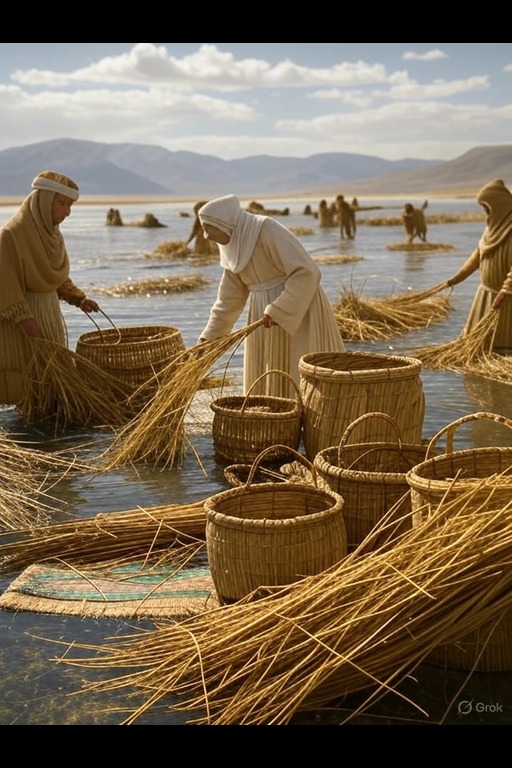
Reedbeds (Sparse) flourish in the harsh conditions of the polar desert, providing a unique resource for those who know how to harvest them. These resilient plants thrive in limited environments, making them essential for local craftsmanship and trade. Their versatility supports various industries, including weaving, thatching, and papermaking. Many settlements are strategically located near these reedbeds, relying on their presence for economic sustenance and cultural practices.
Universal
Biomes
Politics
Alignments
Races
Resources
Classes
Elevations
Religions
World
No accessible MAPs found.
Biome
Politics
Alignment
Race
Resource
Class
HeightMap
Reedbeds (Sparse)
Detailed Description
In the unforgiving expanse of the polar desert, where few plants can endure the extremes of temperature and limited moisture, sparse reedbeds emerge as a vital ecological resource. These hardy reeds are often found clustered along the banks of shallow water sources, their slender stalks swaying gently in the brisk winds. While their growth is limited, the resilience of these plants allows them to thrive against the odds, becoming a cornerstone for local communities that harness their potential. Harvesting these reeds requires a balance of timing and skill, with gatherers needing to carefully consider the cycles of growth to avoid overexploitation, ensuring that the reeds remain a sustainable resource for generations to come. The uses of reedbeds are manifold, reflecting the ingenuity of those who dwell in proximity to these lush clusters. Artisans transform harvested reeds into woven mats, perfect for insulation against the cold ground, while bundles of thatch provide effective roofing for shelters, shielding inhabitants from the elements. The lightweight yet durable nature of the reeds allows for the crafting of baskets, ideal for carrying supplies or storing provisions. Additionally, the fibrous material is used to produce sheets reminiscent of papyrus, which serve as writing surfaces or wrappers for goods. The versatility of these materials is a testament to the skill and creativity of local craftspeople, turning simple reeds into valuable commodities that fuel trade and barter. Trade in reed products is not merely a means of economic exchange; it reflects a deep cultural significance within the community. Settlements near these reedbeds often become hubs of commerce, where artisans and traders gather to share their wares and knowledge. The seasonal nature of harvesting creates a rhythm to life in these regions, with communities coming together during harvest times to celebrate the bounty of the land. As the reeds flourish in the short growing season, they foster a sense of connection among the people, binding them to both their environment and each other. The economic reliance on reed products not only sustains livelihoods but also weaves a rich tapestry of tradition and communal activity, ensuring that the knowledge of harvesting and crafting is passed down through generations.
Examples
Crafted items from reedbeds (sparse) are as diverse as they are functional. Woven mats provide not only comfort but also insulation against the cold, while bundles of thatch serve as practical roofing material. Reed baskets are commonly used for storage or transport, showcasing the durability of the material. Papyrus sheets created from the reeds are utilized for writing or wrapping goods, reflecting the resource's versatility. The cordage made from reed fibers is strong yet flexible, making it indispensable in various crafting applications.