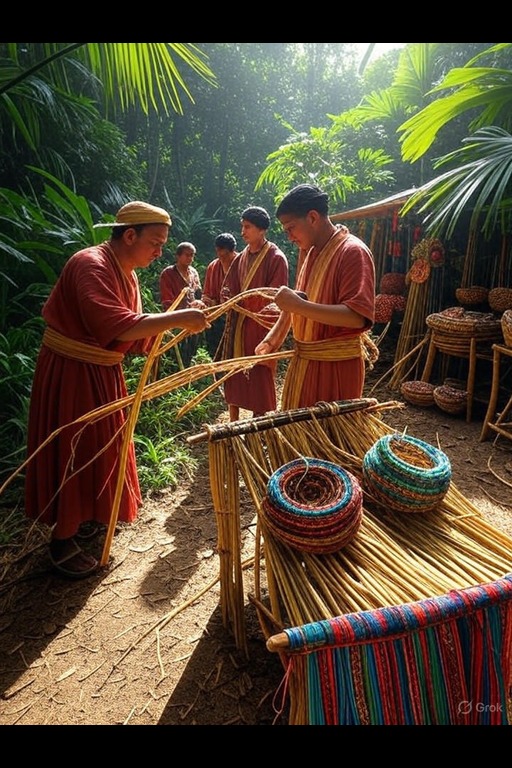
Rattan Cane is a versatile resource found prominently in various tropical biomes, particularly within dry and wet forests. It plays a crucial role in local economies, providing materials for crafts and trade. Harvesters depend on seasonal awareness and skill to gather it sustainably, ensuring that stocks remain viable for future use. The presence of Rattan Cane often influences the location of settlements, as communities thrive near reliable sources of this valuable resource.
Universal
Biomes
Politics
Alignments
Races
Resources
Classes
Elevations
Religions
World
No accessible MAPs found.
Biome
Politics
Alignment
Race
Resource
Class
HeightMap
Rattan Cane
Detailed Description
Rattan Cane is a climbing plant that thrives in the humid and warm conditions of tropical environments. Its long, flexible stems are known for their strength and resilience, making them ideal for a range of applications. The harvesting process requires careful timing and technique, as over-extraction can lead to depletion of local stocks. Skilled gatherers are acutely aware of the growth cycles of the plant, which allows them to harvest in a way that supports regeneration and sustainability. This practice not only ensures the longevity of Rattan Cane populations but also reinforces the importance of traditional ecological knowledge within communities. In addition to its ecological significance, Rattan Cane is integral to various local industries, particularly in craft and trade. Artisans utilize the material for weaving and constructing a multitude of goods, from furniture to baskets, each reflecting the cultural identity of the community. The flexibility and durability of the cane make it a preferred choice for these creations, often resulting in unique and functional artworks. Furthermore, the trade of Rattan Cane products extends beyond local markets, fostering economic interactions with distant regions and contributing to the vibrant tapestry of commerce. Rattan Cane also finds its place in culinary practices, where it is sometimes used to prepare or enhance food items. Communities may incorporate Rattan Cane in drying methods for preserving goods or in the creation of natural flavorings. This multifaceted application of the resource not only adds depth to local cuisine but also promotes the integration of traditional methods with modern culinary trends. Overall, Rattan Cane serves as a vital component of both local culture and economy, emphasizing the intricate relationship between natural resources and community survival.
Examples
Various products made from Rattan Cane showcase its versatility and importance in local economies. Artisans often produce intricately woven baskets and furniture that are highly sought after in both local and distant markets. Additionally, Rattan Cane is utilized in the preparation of dried goods and preserves, often enhancing the flavor profiles of culinary creations. Trade packs containing Rattan Cane goods are common, facilitating exchanges that bolster economic ties among communities. The resource stands as a testament to the ingenuity and adaptability of those who rely on it.