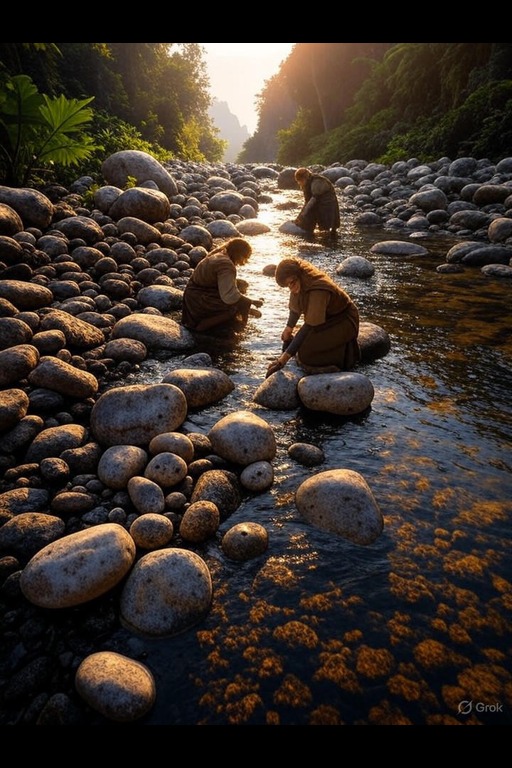
Quartz River Stones are naturally occurring minerals found in tropical dry forests and other lush biomes. Harvesters skillfully gather these stones, ensuring sustainable practices to maintain the balance of local resources. Their versatility supports various industries, including masonry, sculpting, and construction. Settlements often thrive near abundant sources, facilitating trade and craftsmanship.
Universal
Biomes
Politics
Alignments
Races
Resources
Classes
Elevations
Religions
World
No accessible MAPs found.
Biome
Politics
Alignment
Race
Resource
Class
HeightMap
Quartz River Stones
Detailed Description
Quartz River Stones are formed through the slow, natural processes of erosion and sedimentation, resulting in smooth, lustrous surfaces that catch the light beautifully. Often found in riverbeds and along the banks of flowing water, they display a range of colors, from clear and translucent to milky or even slightly tinted varieties. This natural diversity makes them particularly attractive to craftspeople and builders alike, as each stone carries its unique character and charm. The abundance of these stones in tropical dry forests and other similar biomes has made them a staple in local economies, as they can be harvested without extensive machinery or technology, relying instead on traditional methods passed down through generations. Harvesters typically time their collection with the changing seasons, ensuring that they do not disrupt the natural habitats that foster the stones' formation. By gathering quartz during the dry season when river levels are lower, they can minimize environmental impact while still accessing the material. Skilled gatherers can identify prime locations where stones are most abundant, using their knowledge of local geography and seasonal patterns to maximize their efforts. This efficient practice not only preserves the ecosystem but also fosters a sense of stewardship among those who rely on these resources. The stones serve various practical purposes across multiple industries. In masonry, they are quarried and cut into uniform blocks that are used in construction, providing durability and aesthetic appeal to buildings and infrastructures. Sculptors often select quartz for its workability, creating stunning statues and artistic pieces that capture the essence of their surroundings. Additionally, these stones are crafted into grindstones and paving materials, contributing to the development of local trade networks as finished products are exchanged for goods and services. As a result, the presence of Quartz River Stones has a profound impact on the economic and cultural landscapes of the areas where they are found.
Examples
Common products derived from Quartz River Stones include cut blocks used for constructing robust structures, as well as intricately carved statues that showcase the artistry of local craftsmen. Gravel made from crushed quartz serves as a foundational material in various building projects, while paving stones crafted from these stones provide durable surfaces for streets and walkways. Other uses involve grindstones that facilitate the sharpening of tools, highlighting the resource's essential role in everyday life.