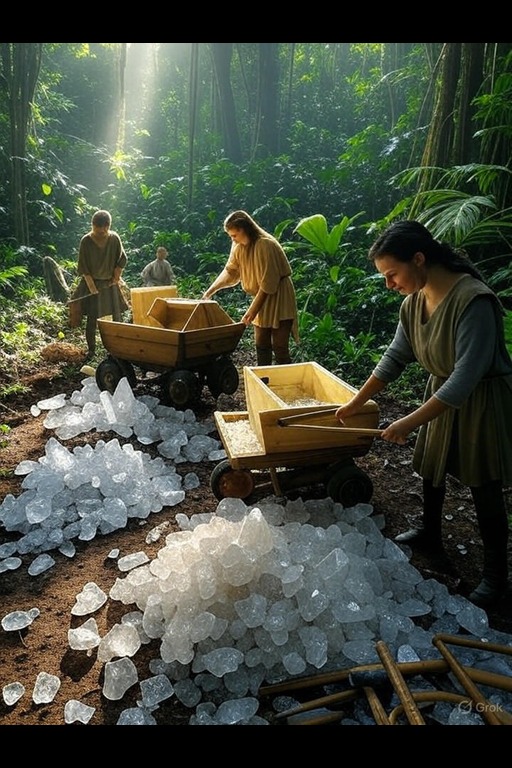
Quartz Crystals are a common resource found within the depths of tropical wet forests. These striking formations are often collected by skilled harvesters who carefully manage their extraction to maintain sustainable levels. Widely appreciated for their utility, Quartz Crystals support various local industries including masonry, sculpting, and construction. Many settlements thrive near abundant sources, fostering a vibrant trade in crafted goods and raw materials.
Universal
Biomes
Politics
Alignments
Races
Resources
Classes
Elevations
Religions
World
No accessible MAPs found.
Biome
Politics
Alignment
Race
Resource
Class
HeightMap
Quartz Crystals (Common)
Detailed Description
The presence of Quartz Crystals in tropical wet forests is a testament to the geological processes that shape the land. These crystals form in abundance through the slow crystallization of minerals in hydrothermal veins, often accompanied by the lush biodiversity characteristic of such environments. Harvesters venture into the dense undergrowth, navigating the thriving ecosystems, where they lean on their expertise to identify optimal locations for extraction. The seasonal cycles of growth and regeneration dictate the best times for collection, allowing the forests to recover between harvests while ensuring that the delicate balance of nature remains intact. The utility of Quartz Crystals extends far beyond mere aesthetics. In masonry, they are transformed into sturdy cut blocks, providing a durable foundation for structures that can withstand the test of time. Sculptors find inspiration in the unique clarity and form of these crystals, crafting intricate statues that capture the light and spirit of the natural world. Furthermore, in construction, finely ground Quartz is used to create grindstones and paving stones, enhancing both functionality and visual appeal. The trade of these products supports local economies, establishing a network where artisans and laborers partake in the shared wealth generated by the land’s resources. The sustainable practices surrounding Quartz Crystals reflect a deeper respect for the environment. Harvesters often engage in techniques that minimize disruption to the surrounding flora and fauna, allowing for continued growth and regeneration of the crystal deposits. As communities develop around these harvesting sites, a culture of stewardship emerges, emphasizing the importance of preserving both the crystals and their natural habitats. This interconnectedness between resource extraction and environmental care illustrates the delicate balance that sustains the livelihoods of those who rely on these natural treasures. Thus, Quartz Crystals embody not only a physical resource but also a cultural and ecological connection to the world around them. Their presence in tropical wet forests enriches the landscape, providing both practical benefits and artistic inspiration, while fostering a sense of community among those who depend on its careful management and sustainable use.
Examples
Examples of products derived from Quartz Crystals include cut blocks utilized in robust masonry projects, and finely detailed statues that serve as both art and homage to their origins. Grindstones crafted from these crystals are prized for their effectiveness in sharpening tools, while crushed gravel serves as a versatile component in various construction applications. Paving stones made from Quartz not only enhance the aesthetic of pathways and public spaces but also showcase the unique qualities of the material.