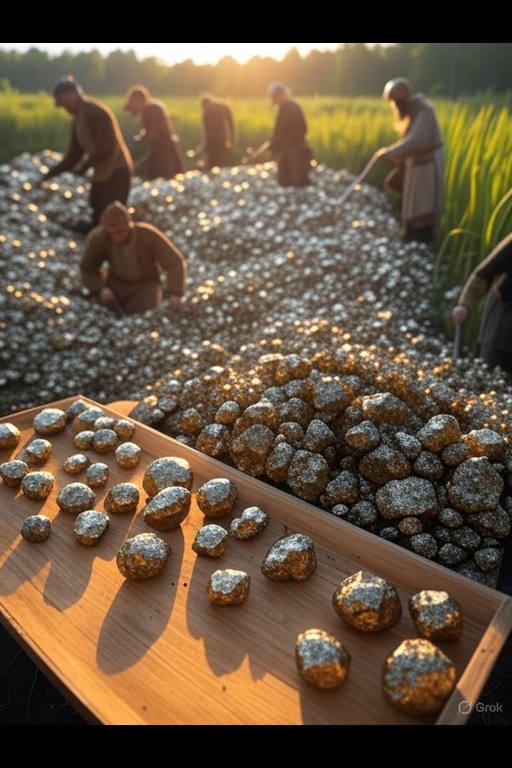
Pyrite, sometimes referred to as marcasite, is a mineral often found in wetland environments, where it is quarried or scooped from natural beds. This resource is prized for its metallic luster and brassy color, making it aesthetically appealing for various applications. Blocks and fines are carefully separated during extraction, with some being cut for construction purposes, while others are processed for use in glass and ceramics. The versatility of pyrite contributes to its significance in multiple industries, including quarrying, construction, and trade.
Universal
Biomes
Politics
Alignments
Races
Resources
Classes
Elevations
Religions
World
No accessible MAPs found.
Biome
Politics
Alignment
Race
Resource
Class
HeightMap
Pyrite (Marcasite)
Detailed Description
Abundant in certain wetland biomes, pyrite is a mineral that forms in sedimentary conditions, resulting in its characteristic appearance. Its composition includes iron sulfide, which gives it a distinctive golden hue reminiscent of precious metals. This illusion has led to its common nickname, 'fool's gold,' as it can easily be mistaken for more valuable minerals. The extraction of pyrite involves careful techniques, such as quarrying from beds and terraces, where layers of the mineral can be accessed without extensive disruption to the surrounding environment. The processing of pyrite after extraction is multifaceted. Workers meticulously separate the mined material into blocks and fines, each of which has specific applications. The cut stones are often used in construction, where their strength and appealing appearance make them suitable for a variety of architectural elements. Finer particles, on the other hand, are often fired or melted down to create glass and ceramics. This transformation into other materials showcases pyrite's versatility, as it can adapt to the needs of different industries while maintaining its intrinsic qualities. Beyond construction, pyrite finds its place in trade. The allure of its metallic sheen has made it a sought-after commodity, particularly among artisans and craftspeople. Trade goods fashioned from pyrite may range from decorative items to functional tools, underscoring the mineral's role in various economic exchanges. This trade not only highlights the mineral's value but also emphasizes the interconnectedness of different industries that rely on its properties for a wide array of products. In addition to its use in trade and construction, pyrite also serves a pivotal role in the production of glass and cement, where its components contribute to the desired textures and finishes. Its presence in these materials enhances both aesthetic and structural qualities, proving that pyrite's utility extends far beyond its initial allure. As a mineral, it stands as a testament to the interplay of natural resources and human ingenuity, demonstrating how a simple geological formation can evolve into a cornerstone of various crafts and industries.
Examples
Some notable products derived from pyrite include cut stone used for building facades and ornamental features, showcasing its visual appeal and structural integrity. Additionally, the mineral is processed into glass and cement, providing essential components for construction projects. In the realm of ceramics, pyrite contributes to the durability and aesthetic qualities of finished pieces. Trade goods, such as jewelry or decorative items crafted from pyrite, further highlight its versatility and desirability in various markets.