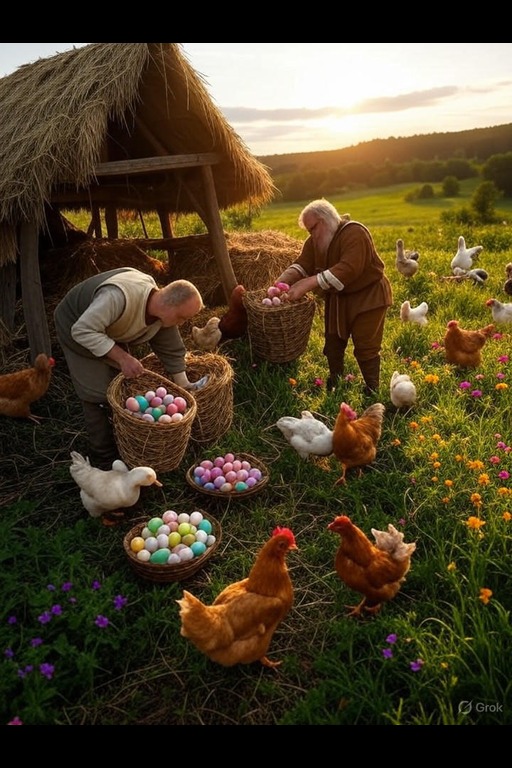
Poultry Eggs are a staple resource valued across various regions for their nutritional richness and versatility in culinary applications. These eggs are gathered from domesticated birds, primarily raised in grassland environments where they thrive on steady feed and access to clean water. Seasonal practices dictate the culling and gathering of eggs, ensuring a sustainable cycle of production. Once harvested, the eggs are often subject to preservation methods to extend their usability during long journeys or in times of scarcity.
Universal
Biomes
Politics
Alignments
Races
Resources
Classes
Elevations
Religions
World
No accessible MAPs found.
Biome
Politics
Alignment
Race
Resource
Class
HeightMap
Poultry Eggs
Detailed Description
Poultry Eggs are produced by a variety of domesticated birds, with the most common being chickens, ducks, and geese. These eggs are an essential component of many diets, providing a rich source of protein and other nutrients. Farmers cultivate these birds primarily in grassland areas, where the availability of natural forage and clean water contributes significantly to the well-being and productivity of the flocks. The maintenance of proper feeding practices and hygiene is crucial to ensure consistent egg production throughout the seasons. As birds lay eggs, farmers carefully collect them, with particular attention paid to the quality and freshness of the harvest. In addition to gathering, the practice of culling is employed to manage flock health and productivity. By removing older or less productive birds, farmers can maintain a more efficient operation, allowing for greater yields of high-quality eggs. Seasonal changes influence egg production, with certain times of the year bringing about either abundance or scarcity. Consequently, preservation methods become vital to maximize the utility of the eggs harvested. Techniques such as smoking, salting, and curing are commonly employed to ensure that these perishable items can withstand the test of time and travel, making them ideal for trade. The preservation process not only extends the lifespan of the eggs but also enhances their flavor and versatility in cooking. Cured eggs, for instance, can become central ingredients in various dishes, while smoked eggs offer a unique taste experience. Additionally, the byproducts of poultry farming extend beyond eggs. The meat from the birds, as well as products derived from their feathers and waste, contribute to a range of industries, including food trade and leather processing. This multifaceted aspect of poultry farming underscores the importance of eggs as a resource that supports both sustenance and economic activity in communities.
Examples
Examples of products derived from Poultry Eggs include a variety of cured goods such as pickled eggs, which make for popular snacks or ingredients in salads. The eggs may also be transformed into trade goods, like powdered or dehydrated eggs, which are favored by travelers and merchants for their convenience. Additionally, numerous culinary creations, from baked goods to rich sauces, rely heavily on the inclusion of eggs. The integration of poultry eggs into the diet reflects their fundamental role in daily sustenance across diverse populations.