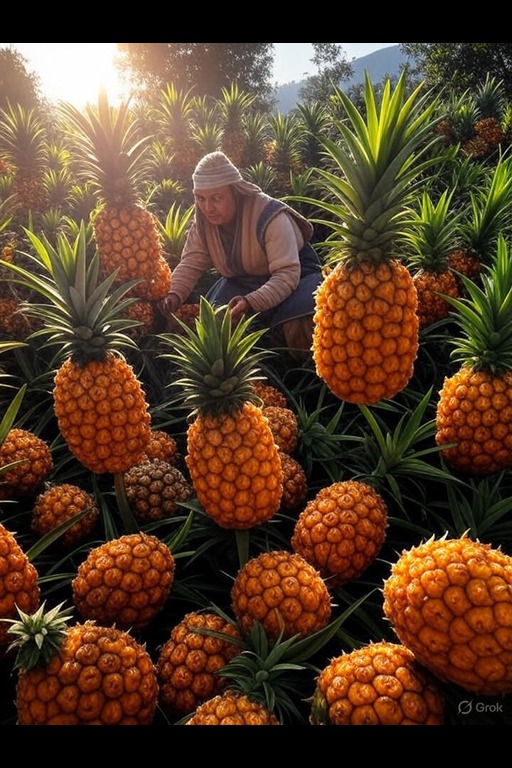
Pineapple is a tropical fruit cultivated primarily in warm, moist climates characterized by seasonal rainfall patterns. Its unique growing conditions, influenced by both soil quality and local agricultural practices, contribute to the fruit’s distinctive flavor and texture. Harvested at peak ripeness, pineapples are a sought-after commodity, often traded between regions. Various preservation techniques ensure that this delightful fruit can be enjoyed long after its harvest season has passed.
Universal
Biomes
Politics
Alignments
Races
Resources
Classes
Elevations
Religions
World
No accessible MAPs found.
Biome
Politics
Alignment
Race
Resource
Class
HeightMap
Pineapple
Detailed Description
The pineapple, a succulent tropical fruit, thrives in a variety of environments that provide the right balance of heat, moisture, and sunlight. It flourishes in tropical dry forests, seasonal rainforests, and lush tropical rainforests, where the interplay of soil type and climatic conditions significantly affects its growth and flavor profile. Farmers cultivate pineapples using methods that often reflect traditional agricultural practices, ensuring that the crop is nurtured in harmony with the land. Seasonal variations dictate the timing of planting and harvesting, allowing cultivators to maximize yield and quality based on the natural rhythm of the ecosystem. Harvesting pineapples requires careful attention and skill, as the fruits do not ripen further once picked. Each pineapple is carefully selected at the peak of its ripeness, when the sweetness and acidity are perfectly balanced. This process demands a keen knowledge of the fruit's indicators and the environmental conditions leading up to harvest. Once gathered, pineapples can be consumed fresh or processed into an array of products that highlight their versatility. Techniques such as drying, canning, and juicing allow for the fruit's preservation, making it available year-round for culinary uses. The culinary applications of pineapple are vast, ranging from fresh fruit salads and salsas to the creation of sauces and marinades that enhance various dishes. The natural sweetness of pineapple also lends itself well to desserts and confections, where it can be used in jams, candies, and even fermented beverages like wine. In addition, dried pineapple is a popular treat, often favored for its portability and concentrated flavor, making it ideal for travelers and those seeking a nutritious snack. Caravans trading through arid regions particularly value preserved pineapple, as it provides both sustenance and refreshment during long journeys. Overall, the cultivation and trade of pineapple significantly impact local economies, fostering connections between communities as they exchange this beloved fruit. The ability to adapt to local tastes and preservation methods ensures that pineapple continues to be a staple in many diets, celebrated for its flavor and versatility across various culinary traditions. As agricultural practices evolve, the importance of sustainable farming techniques becomes increasingly clear, ensuring that future generations can enjoy this vibrant fruit.
Examples
Common products derived from pineapple include dried pineapple, which offers a chewy, sweet snack option; pineapple jam, a spreadable delight enjoyed on bread or pastries; and pineapple wine, a refreshing beverage that captures the fruit's essence. Candied pineapple presents a sugary treat that serves as both a dessert and a decorative element in confections. Additionally, pineapple juice is a popular ingredient in cocktails and smoothies, celebrated for its bright taste and vibrant color.