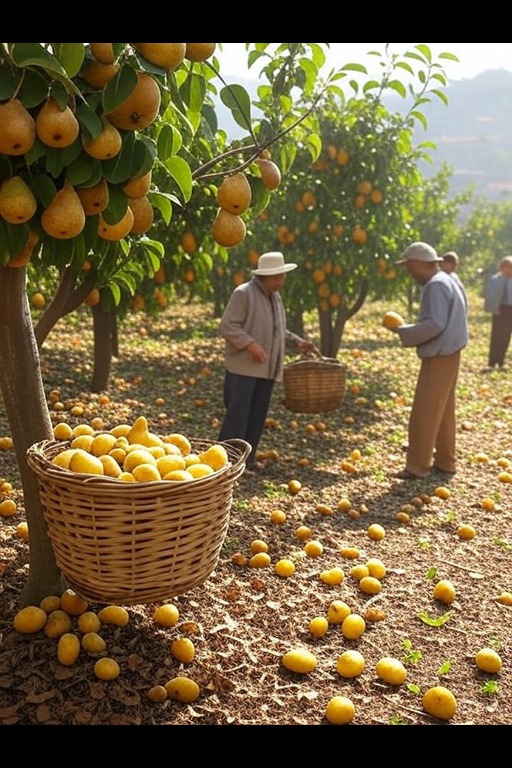
Pears are cultivated across temperate grasslands and forests, thriving in climates that favor their sweet, juicy flesh. Farmers employ various seasonal methods to enhance their quality and yield, ensuring that the harvest meets both local demand and trade needs. As a versatile fruit, they find their way into numerous culinary creations and preservation techniques. The trade of preserved pears is particularly important, as they sustain caravans during long journeys and provide vital winter stores.
Universal
Biomes
Politics
Alignments
Races
Resources
Classes
Elevations
Religions
World
No accessible MAPs found.
Biome
Politics
Alignment
Race
Resource
Class
HeightMap
Pears
Detailed Description
Pears are a staple fruit, cultivated in a variety of temperate environments, including dry and wet grasslands, as well as deciduous and rainforest regions. The adaptability of the pear tree to diverse soil types and climatic conditions contributes significantly to its widespread popularity among farmers and orchards alike. The characteristic sweetness and texture of pears can vary based on the specific cultivation methods employed, which often reflect the traditions and practices of the local farming community. Seasonal variations in temperature and moisture play a crucial role in the growth cycle of pear trees, influencing the timing of blossoming and the subsequent fruit development. Farmers often engage in careful monitoring of these environmental factors to optimize their yields, employing techniques such as pruning and irrigation as necessary to enhance fruit quality. The harvesting of pears is typically a communal effort, with families and workers gathering during peak seasons to collect the fruit at its ripest. This collaborative approach not only fosters a sense of community but also allows for the swift processing of the harvest, which is essential in preventing spoilage. Once harvested, pears can be enjoyed fresh or transformed into a myriad of products. Preservation methods such as canning, drying, and jamming are common, extending the fruit's shelf life and making it accessible year-round. As a result, preserved pears are highly sought after in local markets and during long-distance trade, where they serve as a reliable food source during the off-season. In culinary applications, pears lend themselves to both sweet and savory dishes, with variations that highlight their unique flavors and textures. From elegant desserts to hearty salads, the versatility of this fruit contributes to its enduring appeal among chefs and home cooks alike. Additionally, beverages crafted from pears, such as juices and wines, offer refreshing alternatives to more traditional drinks, showcasing the fruit's potential beyond mere consumption. The trade of these products not only supports local economies but also facilitates the exchange of culinary ideas and innovations across regions. As pears continue to be cultivated and cherished, their role in both local diets and broader trade networks remains significant.
Examples
Commonly, dried pears are enjoyed as a nutritious snack or added to trail mixes, providing a burst of sweetness. Pear jam is a beloved spread, often paired with breads and pastries, while candied pears serve as a delightful treat during festive occasions. Pear wine is crafted from the fermented juice of the fruit, offering a unique alternative to grape-based wines. Additionally, pears juice is frequently used in refreshing beverages or as a base for cocktails, highlighting the fruit's versatility and appeal across various culinary contexts.