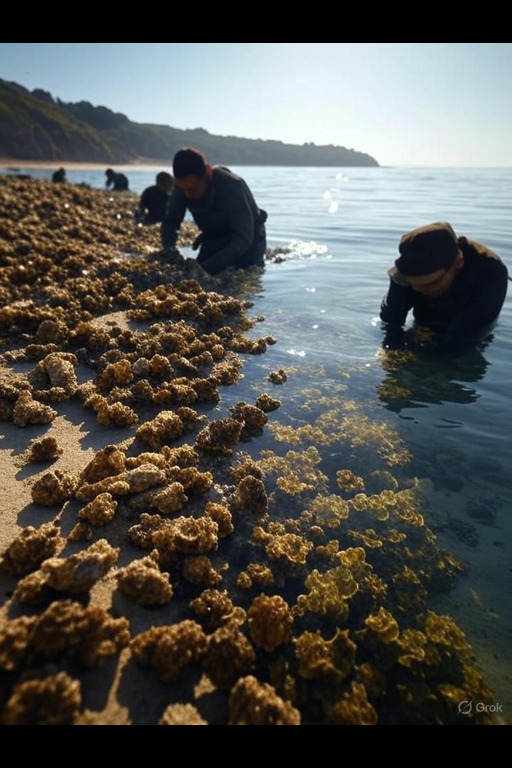
Pearl oyster beds are a natural phenomenon found in the depths of the ocean, providing a valuable resource for communities reliant on marine life. These beds are home to various species of oysters known for their ability to produce exquisite pearls. Harvesters skillfully gather oysters while ensuring the sustainability of the beds, balancing economic needs with ecological preservation. The presence of these oyster beds often influences local trade practices and culinary traditions, fostering connections among coastal settlements.
Universal
Biomes
Politics
Alignments
Races
Resources
Classes
Elevations
Religions
World
No accessible MAPs found.
Biome
Politics
Alignment
Race
Resource
Class
HeightMap
Pearl Oyster Beds (Wild)
Detailed Description
The formation of pearl oyster beds occurs in shallow marine environments, where specific conditions foster the growth of these mollusks. These habitats are typically characterized by sandy or muddy substrates, allowing for the attachment of oyster larvae. The adults thrive in nutrient-rich waters, filtering them to feed on plankton and organic matter. As they mature, some individuals develop the capacity to form lustrous pearls, a process that occurs when an irritant, such as a grain of sand or a parasite, enters their shells. The oysters secrete layers of nacre around the irritant, resulting in the beautiful gems that have fascinated humans for centuries. Harvesting from pearl oyster beds requires both knowledge and skill, as various techniques can affect the health of the ecosystem. Fishermen often dive to collect oysters by hand or use specialized tools to pry them from their beds. Timing is crucial, as the best yields are often achieved during specific seasons when the oysters are at their peak. Sustainable practices, such as selective harvesting and allowing some oysters to mature and reproduce, are essential to maintain the balance of these delicate environments. Communities that respect and nurture these resources not only ensure their continued availability but also enhance the quality of the pearls produced. The economic impact of pearl oyster beds extends beyond the production of pearls. Local industries often utilize the entire oyster, transforming it into various products for culinary and trade purposes. The flesh of the oyster is sought after for its unique flavor, often preserved or dried for long-term storage. Additionally, salts and spices derived from the surrounding marine environment can complement oyster dishes, creating a rich tapestry of local cuisine. Trade packs containing these goods frequently make their way to distant markets, strengthening the bonds of commerce between coastal communities. As a vital resource, pearl oyster beds contribute to the cultural and economic fabric of coastal regions. They attract artisans who create elaborate jewelry from the harvested pearls, while also inspiring culinary traditions that celebrate the unique flavors of the ocean. The interdependence between the harvesters, the oysters, and their environment underscores the importance of stewardship, ensuring that future generations may continue to benefit from these natural treasures.
Examples
Among the products derived from pearl oyster beds, dried oysters are a particular favorite in culinary circles, offering a concentrated flavor that enhances numerous dishes. Preserves made with oyster essence have found their way into gourmet kitchens, adding a touch of the sea to various recipes. Trade packs often include a mix of preserved oysters, salts, and spices, making them popular items in bustling marketplaces. Additionally, the lustrous pearls, crafted into jewelry, serve as symbols of beauty and luxury, further showcasing the value of this resource.