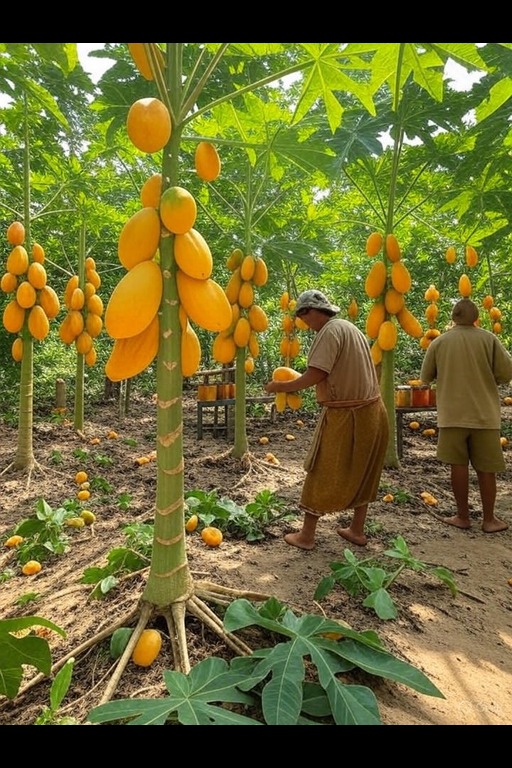
Papaya is a tropical fruit cultivated in various warm biomes, notably in savannas and tropical forests. This vibrant fruit thrives under specific climatic conditions, with soil quality playing a pivotal role in its development. Seasonal cultivation methods significantly influence both the quality and yield of the harvest. As a result, surpluses often find their way into trade, particularly valued for their versatility in culinary applications and preservation techniques.
Universal
Biomes
Politics
Alignments
Races
Resources
Classes
Elevations
Religions
World
No accessible MAPs found.
Biome
Politics
Alignment
Race
Resource
Class
HeightMap
Papaya
Detailed Description
The cultivation of papaya is an intricate process that demands a keen understanding of environmental conditions and agricultural practices. It flourishes in warm climates where sunlight is abundant, requiring well-drained soils rich in organic matter. Farmers often engage in crop rotation to maintain soil health and enhance the growth of papaya plants. The fruit is typically harvested at the peak of ripeness, ensuring the best flavor and nutritional content. This is crucial, as the quality of the papaya can vary significantly depending on when it is picked. Seasonal rains nurture the plants, while dry spells can stress them, leading to variations in size and sweetness. The timing of the harvest is thus a critical aspect that influences the market value of the fruit. In addition to its cultivation, the various uses of papaya extend far beyond mere consumption. In many regions, it is transformed into a range of products, including jams, juices, and preserves that help extend its shelf life. Dried papaya has become particularly popular among traders and travelers, as it provides a nutritious snack that is easy to transport. The process of preserving papaya through drying or canning allows it to be enjoyed year-round, creating opportunities for trade and commerce. Chefs and home cooks alike value papaya for its sweet, tangy flavor, which adds a unique profile to both savory and sweet dishes. The trade of papaya products between neighboring regions is a vibrant aspect of the agricultural economy. Surpluses from bountiful harvests are often bartered or sold, facilitating exchanges that benefit both producers and consumers. Caravans often carry preserved forms of papaya, ensuring that this delicious fruit can be enjoyed even in harsh climates or during winter months. The adaptability of papaya to various culinary traditions further enhances its desirability, allowing it to find a place in diverse cuisines across a range of cultures. Thus, papaya stands as a testament to the harmony between nature and human ingenuity, thriving under careful stewardship and creative culinary applications.
Examples
Common products derived from papaya include dried papaya, which serves as a popular snack, and papaya jam, often enjoyed on breads and pastries. Additionally, papaya wine offers a unique beverage option, crafted through fermentation processes that highlight the fruit's natural sweetness. Candied papaya, a delightful treat, is frequently found in markets, while refreshing papaya juice is a staple in many tropical locales. These examples showcase the versatility of papaya and its significance in culinary practices.