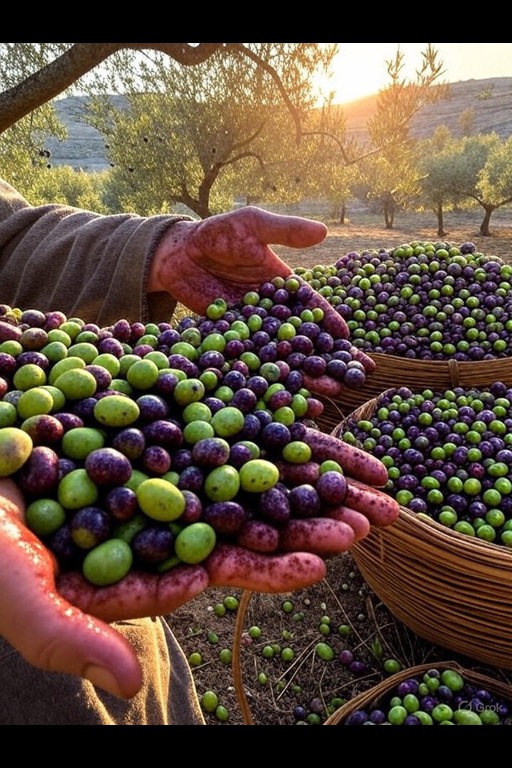
Olives are cultivated in hot desert and xeric scrubland environments, where the unique climate and soil conditions shape their growth. This hardy fruit requires careful seasonal tending, influencing its quality and yield. Surpluses from harvests are often traded with neighboring regions, enhancing local economies. Caravans favor preserved olives for their durability, making them vital for long journeys and winter storage.
Universal
Biomes
Politics
Alignments
Races
Resources
Classes
Elevations
Religions
World
No accessible MAPs found.
Biome
Politics
Alignment
Race
Resource
Class
HeightMap
Olives
Detailed Description
The cultivation of olives thrives in regions characterized by scorching temperatures and limited rainfall, where the harsh conditions have fostered a resilient agricultural tradition. These trees are well-adapted to dry soils, and the fruit they bear is a staple in many communities. The painstaking process of growing olives involves careful monitoring of irrigation and soil health, ensuring that the trees receive just the right amount of nourishment to produce high-quality fruit. Seasonal changes dictate not only the harvesting techniques but also the timing for planting and pruning, emphasizing the deep connection between agriculture and the natural world in these arid landscapes. Harvesting olives is often a communal affair, with family and friends coming together to gather the ripe fruit during the peak season. This labor-intensive process typically involves hand-picking or using specialized tools designed to minimize damage to the fruit and the trees. Once harvested, olives are meticulously sorted and processed, leading to a variety of products that reflect the diverse uses of this versatile fruit. From the rich oil extracted from the olives to flavorful pastes and condiments, each product showcases the many culinary applications of this resource. Furthermore, the byproducts of olive processing, such as pressed olive cake, find use in cooking and even soapmaking, illustrating the multifaceted value of olives in daily life. Trade routes often see olives and their derived products exchanged for other goods, with merchants recognizing the significance of these durable offerings. The durability of preserved olives makes them particularly prized among travelers and traders, who rely on the fruit's long shelf life during extended journeys. In addition to their practical uses, olives also play a role in cultural rituals and culinary traditions, deepening their significance within the communities that cultivate them. The rich history and enduring agricultural practices surrounding olives highlight their importance not just as a food source but as an integral part of a sustainable lifestyle in challenging environments.
Examples
Olives find numerous applications across various industries, with olive oil standing out as one of the most prized products. This oil is often used in cooking, valued for its flavor and health benefits, and is a staple in many diets. Olive paste serves as a flavorful spread or ingredient, enhancing the taste of many dishes. In addition, the remnants of olive processing are transformed into soaps, which leverage the oil's moisturizing properties. These diverse products underline the economic and cultural significance of olives in regions where they are cultivated.