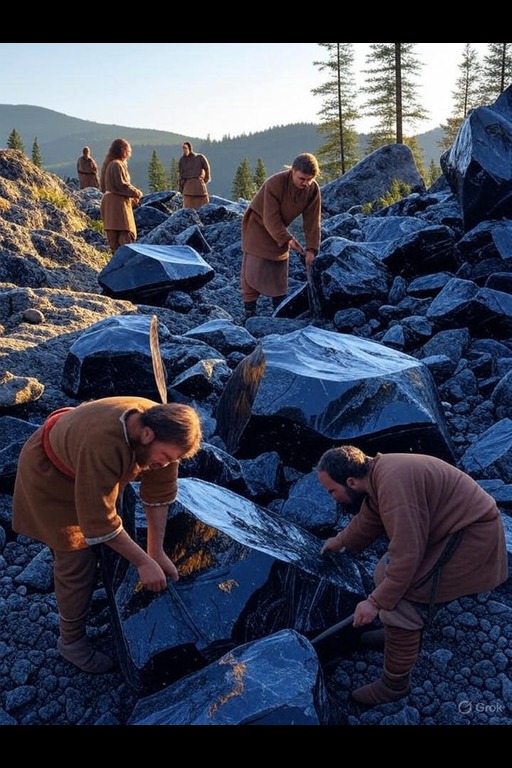
Obsidian (Glacial) is a striking mineral formed from volcanic activity, marked by its smooth, glassy surface and deep, rich colors. This resource is primarily quarried or collected from natural deposits found within taiga biomes. Artisans and builders often utilize it for various applications, including construction and decorative purposes. The versatility of glacial obsidian makes it a valuable commodity in trade, with numerous industries relying on its unique properties.
Universal
Biomes
Politics
Alignments
Races
Resources
Classes
Elevations
Religions
World
No accessible MAPs found.
Biome
Politics
Alignment
Race
Resource
Class
HeightMap
Obsidian (Glacial)
Detailed Description
Obsidian (Glacial) is born from the rapid cooling of lava that has surged forth from deep within the earth, resulting in a dense, glass-like material that is both durable and aesthetically appealing. Its formation is influenced by the unique geological conditions present in taiga regions, where volcanic activity meets frigid temperatures. The mineral is typically found in large deposits, either in rocky outcrops or as loose fragments in areas where glacial movements have exposed ancient layers of volcanic rock. Quarrying operations often involve careful extraction from these beds, ensuring minimal disruption to the surrounding environment while maximizing yield. Once harvested, obsidian is sorted into blocks and finer particles, each serving different purposes. Larger blocks can be precisely cut into stone for structural components, while finer grains are often processed into glass and ceramics. The glass created from obsidian boasts impressive clarity and strength, making it an ideal material for various artistic and functional applications. Ceramics crafted from obsidian fines exhibit a unique sheen and coloration, elevating them above traditional clay products. As such, artisans and manufacturers in the construction and decorative industries have come to rely heavily on this mineral. The trade of glacial obsidian extends beyond local markets, reaching distant lands where its rarity and beauty capture the interest of collectors and craftsmen alike. The mineral not only serves practical applications but also fulfills a niche in the creation of luxury items, drawing attention for its geologically unique origins. The demand for obsidian has spurred an entire industry around its procurement and use, with skilled workers honing their craft to meet the needs of architects, sculptors, and everyday consumers seeking high-quality materials. As a result, glacial obsidian stands as a testament to the intricate relationship between natural resources and human creativity, bridging the gap between raw mineral and refined artistry.
Examples
Common products derived from Obsidian (Glacial) include cut stone used in both structural and decorative building projects. Glass made from this mineral is favored for its exceptional clarity and strength, often utilized in windows and art pieces. Ceramics crafted from obsidian fines combine beauty and functionality, finding their place in households and galleries alike. The trade of these goods not only enhances local economies but also fosters a deeper appreciation for the geological wonders of the taiga biome.