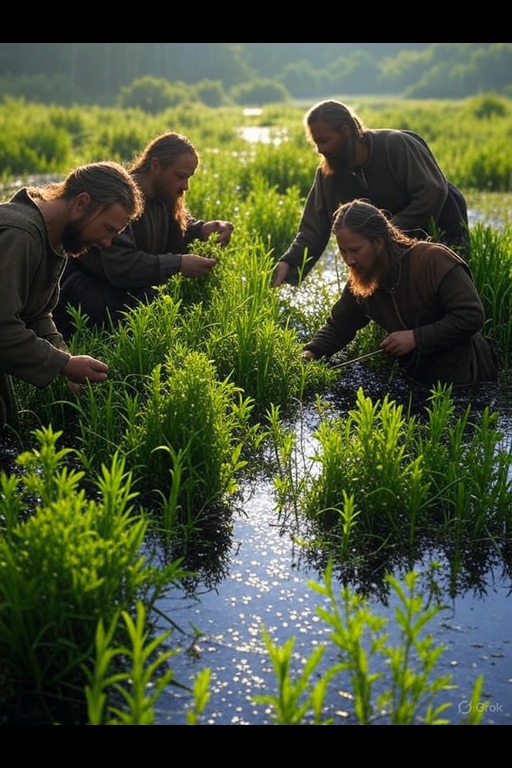
Marsh Herbs thrive in the rich, moist environments found in freshwater ecosystems. These resilient plants are harvested by skilled gatherers who understand the delicate balance of sustainability. They play a vital role in local crafts and trade, often becoming the foundation of various culinary and medicinal practices. Many communities are strategically located near abundant marshes to ensure reliable access to these valuable resources.
Universal
Biomes
Politics
Alignments
Races
Resources
Classes
Elevations
Religions
World
No accessible MAPs found.
Biome
Politics
Alignment
Race
Resource
Class
HeightMap
Marsh Herbs
Detailed Description
Marsh Herbs are a category of plant life that flourish in the transitional zones between freshwater bodies and terrestrial habitats. Characterized by their flexible stems and broad leaves, these herbs adapt easily to fluctuating water levels and soil conditions. The variety of species within this grouping offers an extensive palette of flavors and medicinal properties, catering to the needs of herbalists, cooks, and healers alike. Harvesting these herbs requires a deep understanding of seasonal cycles and careful techniques to maintain healthy populations, as overharvesting can threaten their natural abundance. The culinary applications of Marsh Herbs are diverse, ranging from the crafting of herbal teas infused with the essence of the wetlands to seasoning dishes with unique flavors that enhance local cuisine. Chefs and home cooks alike value these herbs for their ability to elevate simple meals into extraordinary feasts. The drying and preserving of Marsh Herbs also allows for year-round use, thereby supporting local culinary traditions and sustaining the economy of communities reliant on these resources. In the realm of medicine, these herbs are prized for their therapeutic properties. Traditional healers have long utilized them in tinctures and salves designed to address a variety of ailments. From soothing digestive issues to promoting overall wellness, the applications of Marsh Herbs are as varied as the plants themselves. Their rich biological diversity contributes to the resilience of local ecosystems and provides an essential resource for both practitioners and patients. Trade in Marsh Herbs forms a critical component of local economies. Gatherers often sell their harvests at markets, where they can connect with both consumers and other artisans. The exchange of herbs fosters relationships across communities, creating a web of commerce that reinforces the importance of these plants. By valuing sustainable practices, both gatherers and buyers contribute to the health of the marshlands, ensuring that future generations will continue to benefit from the wealth of resources these habitats provide.
Examples
Examples of products derived from Marsh Herbs include revitalizing herbal teas that offer refreshing notes, potent tinctures that capture the essence of their natural habitat, and soothing salves that provide comfort for various skin ailments. Dried greens, used in cooking or as a dietary supplement, showcase the versatility of these herbs, while spice sachets filled with fragrant blends serve as delightful culinary enhancements. Each product reflects the rich traditions and knowledge of those who gather and prepare Marsh Herbs.