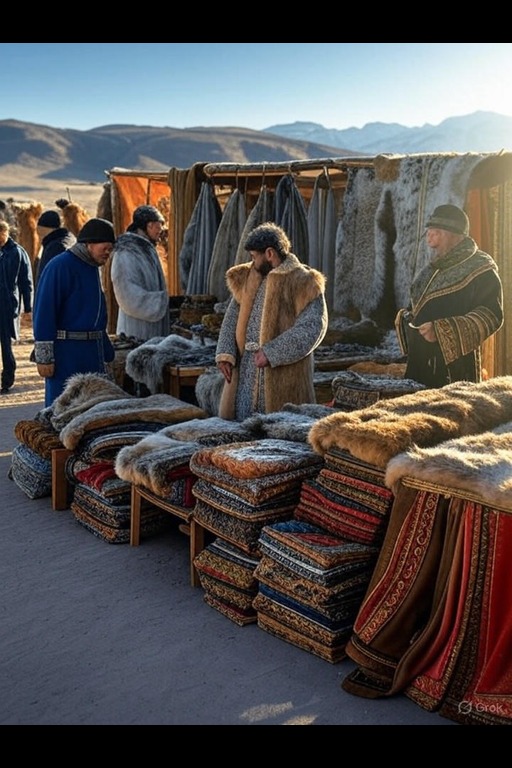
Marmot pelts are a valuable resource found in cold desert biomes. Harvesters seek these pelts during specific seasons, requiring both skill and knowledge of the local ecosystem to ensure sustainable gathering practices. The versatility of marmot pelts supports various industries, including hunting, tanning, and textiles, contributing to the economy of nearby settlements. As a result, many communities thrive in proximity to reliable sources of this resource, fostering trade and craftsmanship.
Universal
Biomes
Politics
Alignments
Races
Resources
Classes
Elevations
Religions
World
No accessible MAPs found.
Biome
Politics
Alignment
Race
Resource
Class
HeightMap
Marmot Pelts
Detailed Description
In the harsh environment of cold deserts, marmots are well-adapted creatures, known for their thick fur that insulates them against the biting winds and fluctuating temperatures. Their pelts are highly sought after for their unique texture and warmth, making them ideal for a range of products. Harvesting these pelts requires a deep understanding of the marmot's habits, as well as the seasonal changes that affect their populations. Experienced gatherers time their activities to coincide with the periods when the marmot fur is at its thickest, ensuring a quality harvest without jeopardizing the local population. Sustainability is crucial; overharvesting can lead to depletion, threatening both the marmots and the livelihoods of those who depend on them. As such, local regulations or customs often govern the practice, helping to maintain a balance between use and conservation. Tanning is a crucial process following the initial harvest, transforming raw pelts into durable materials suitable for a variety of applications. Craftsmen employ traditional methods, passed down through generations, to cure and prepare the hides. This labor-intensive work requires patience and skill, as the quality of the final product is heavily influenced by the technique and care taken during the tanning process. Once prepared, the pelts can be used in the creation of garments, blankets, or other textiles, all of which are prized for their warmth and rugged charm. In addition to textiles, the bones from harvested marmots are often transformed into tools or decorative items, showcasing the resource's multifaceted utility and the ingenuity of the local artisans. Trade in marmot pelts plays a significant role in the economy of surrounding settlements, facilitating exchanges not only of goods but also of knowledge and culture. Artisans and merchants create networks, connecting various communities and allowing for the distribution of such pelts across wider regions. This trade promotes a sense of identity and shared heritage among the people involved, as they uphold practices that honor the natural world and their dependence on it. Such relationships are vital for the continued prosperity of those who inhabit these arid lands, where the harsh environment demands resilience and resourcefulness.
Examples
Various products emerge from the labor surrounding marmot pelts, with the most common being smoked and cured variants, showcasing the different preservation techniques employed. Tanned hides are transformed into garments, offering warmth and protection in the unforgiving climate. Additionally, artisans fashion bone tools from the remaining carcasses, demonstrating the full utilization of the harvested animal. Fur garments are also crafted, providing not only functionality but also a sense of style that reflects the culture of the people who inhabit these regions.