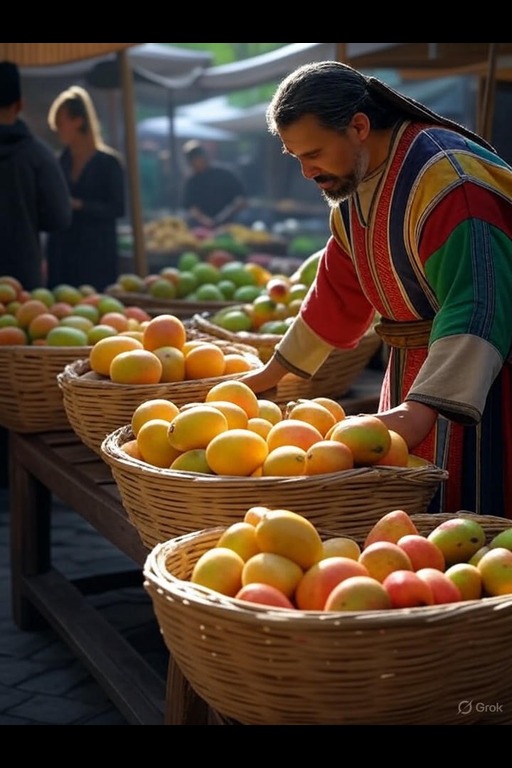
Mango is a highly sought-after fruit cultivated across various climates, particularly in savanna and tropical forest regions. Its cultivation relies on a combination of climate conditions, soil types, and traditional agricultural practices. Seasonal methods play a crucial role in determining the quality of the fruit and its yield. Surpluses are often traded to neighboring regions, where they become integral to local diets and economies.
Universal
Biomes
Politics
Alignments
Races
Resources
Classes
Elevations
Religions
World
No accessible MAPs found.
Biome
Politics
Alignment
Race
Resource
Class
HeightMap
Mango
Detailed Description
The mango, with its luscious flesh and vibrant color, thrives in environments that boast warm temperatures and ample sunlight. The various climates in which it is found—the savanna, tropical dry forest, and seasonal rainforest—each contribute unique characteristics to the fruit. The soil composition, moisture levels, and local weather patterns all influence not only the growth of the mango trees but also the flavor profiles of the fruit itself. As such, mangoes from different regions may exhibit subtle variations in sweetness, acidity, and aroma, creating a rich tapestry of culinary possibilities. Mango cultivation is marked by a deep-rooted tradition that encompasses both agricultural techniques and cultural practices. Farmers often employ time-honored methods to nurture their orchards, which may include careful pruning, selective breeding, and organic pest control. In addition to these practices, the timing of planting and harvesting is pivotal. The seasonal approach taken by farmers ensures that the mangoes reach their peak ripeness, and this attention to detail enhances both the quality and quantity of the harvest. Once harvested, mangoes enter a vibrant trade network. These fruits are not only consumed fresh; they are transformed into an array of products that cater to different tastes and preferences. Dried mango, for example, offers a portable snack option that retains the essence of the fruit while extending its shelf life. Mango jam and candied mango are popular for their versatility in culinary applications, often used as ingredients in desserts or as toppings for various dishes. Additionally, beverages such as mango juice and mango wine showcase the fruit's adaptability, making it a staple in many households. The trade in mangoes is further facilitated by caravans that transport preserved forms of the fruit, ensuring that even those living in distant regions can enjoy its delights. These preserved options serve not only as a means of sustenance during long journeys but also as a way to celebrate seasonal abundance during the colder months. The mango thus plays a significant role not only in local economies but also in the cultural exchange that occurs between communities through trade.
Examples
Products derived from mangoes are numerous and diverse, showcasing the fruit's culinary versatility. Dried mango serves as a nutritious snack, while mango jam captures the essence of summer in a jar. For those seeking refreshment, mango juice and mango wine offer delightful options for hydration and indulgence. Candied mango is a sweet treat enjoyed by many, making it a popular choice for gifts and celebrations. Together, these products highlight the importance of mangoes in both everyday life and festive occasions.