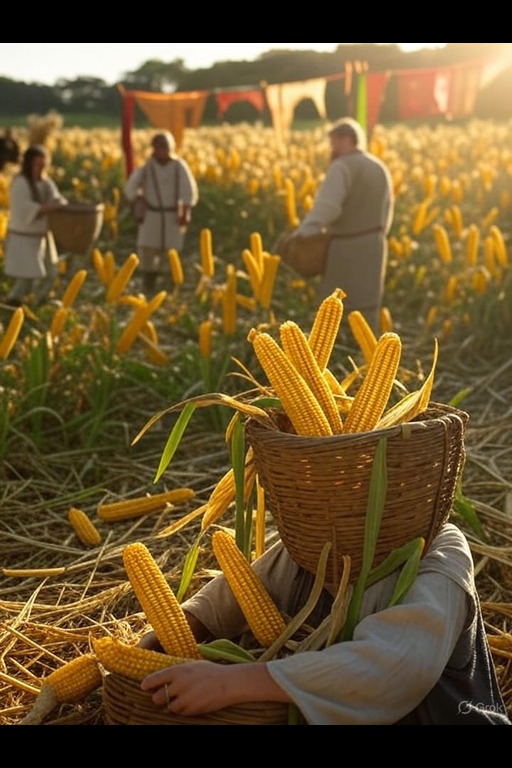
Maize, commonly known as corn, is a vital crop cultivated in expansive open plots found in grassland regions and tropical seasonal forests. This versatile plant is harvested at its peak ripeness to minimize losses, ensuring the grain retains its quality. Immediate processing is essential, as it involves drying, milling, or slicing the harvest to prevent spoilage due to fluctuating weather. The cultivation and processing of maize play a crucial role in various agricultural and food trade industries.
Universal
Biomes
Politics
Alignments
Races
Resources
Classes
Elevations
Religions
World
No accessible MAPs found.
Biome
Politics
Alignment
Race
Resource
Class
HeightMap
Maize (Corn)
Detailed Description
Maize thrives in environments characterized by warm temperatures and ample sunlight, making it well-suited for the expansive grasslands and lush tropical seasonal forests. The plant’s tall, sturdy stalks rise above the ground, supporting broad leaves that capture sunlight effectively, contributing to its rapid growth. Farmers often prepare the soil meticulously, promoting a healthy growing environment that fosters strong yields. As the maize matures, the cobs fill with plump kernels, signaling the ideal time for harvest. Careful timing ensures that the grains are gathered at their most flavorful and nutrient-rich state, limiting the potential for losses caused by pests or adverse weather conditions. Once harvested, processing begins promptly to safeguard the maize from spoilage. The first step often involves drying the grains, reducing moisture content to prevent decay. This is followed by milling, where the kernels are ground into flour, or slicing for immediate consumption. Many communities rely on these processed forms of maize for their staple foods. The versatility of maize means it can be transformed into a wide variety of products, from coarse meal for porridge to fine flour for bread. Preservation techniques, such as canning or fermentation, further extend the shelf life of maize, ensuring that it remains a reliable food source throughout the seasons. The economic impact of maize cultivation cannot be overstated. It serves as a cornerstone of local agriculture, providing not only sustenance but also trade opportunities. The grains are often exchanged in local markets, with traders offering various forms of maize products, thus fostering a vibrant food trade. As communities depend on maize for their daily nutrition, it becomes a symbol of resilience and sustenance. In this way, the cultivation and processing of maize are intricately woven into the fabric of life, influencing dietary habits, economic stability, and cultural practices across regions that embrace this remarkable plant.
Examples
Products derived from maize are diverse and integral to many diets. Common examples include flour, which serves as a primary ingredient in numerous baked goods, and preserved grains that can be stored for extended periods. Additionally, staple dishes made from maize, such as bread or porridge, showcase its foundational role in culinary traditions. Trade goods fashioned from maize further enhance local economies, making it a crucial resource for both sustenance and commerce.