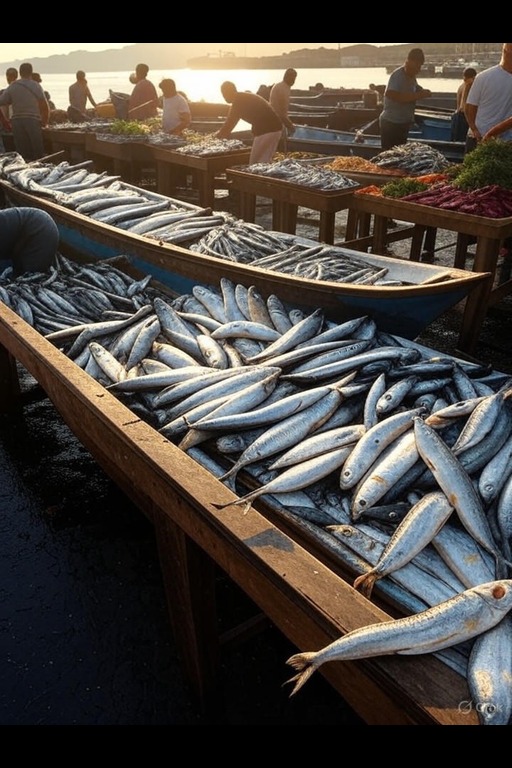
Mackerel is a versatile fish that thrives in ocean waters and is cultivated or harvested through various methods influenced by local traditions. The quality and yield of this resource are significantly affected by seasonal practices and climatic conditions. It is a staple in many culinary applications, valued for its flavor and nutritional benefits. Surpluses often find their way to regional markets, where they are traded and preserved for longer storage, particularly for sea journeys or winter provisions.
Universal
Biomes
Politics
Alignments
Races
Resources
Classes
Elevations
Religions
World
No accessible MAPs found.
Biome
Politics
Alignment
Race
Resource
Class
HeightMap
Mackerel
Detailed Description
The cultivation of mackerel requires a keen understanding of marine ecosystems, as these fish flourish in specific oceanic environments characterized by rich nutrient availability and optimal water temperatures. Aquaculture techniques often include controlled breeding and feeding practices, allowing for sustainable production that can meet the demands of both local and distant markets. Fisherfolk employ various nets and traps, adapting their methods according to seasonal migrations of the mackerel, ensuring a regular supply throughout the year. This adaptability is crucial, as consumer preferences for freshness or preservation can fluctuate widely based on local customs and culinary trends. The culinary uses of mackerel are diverse, with preparations reflecting the resources and tastes of different regions. Common methods include smoking, salting, and pickling, each imparting unique flavors and textures to the fish. Smoked mackerel is particularly prized for its rich, savory profile, making it a favored ingredient in various dishes, from hearty stews to light salads. Salted mackerel serves as a reliable source of protein during leaner months, while pickled variations offer a tangy complement to meals. Moreover, mackerel oil, pressed from the fish's flesh, is sought after not just for its culinary applications but also for its purported health benefits, often included in diets for its richness in omega-3 fatty acids. The trade of mackerel is an essential aspect of regional economies, with preserved forms being particularly valuable. Caravans transporting these goods navigate across challenging terrains, leveraging the durability of preserved mackerel to sustain travelers on long journeys. Local markets flourish, with merchants showcasing an array of mackerel products, allowing consumers to explore different flavors and preservation methods. This trade not only sustains the livelihoods of those engaged in its harvest but also fosters cultural exchanges as people share recipes and techniques, enriching their culinary heritage. The seasonal cycles of mackerel fishing and farming thus create a dynamic interplay between environment, economy, and community, exemplifying the importance of this resource throughout various facets of life in coastal areas.
Examples
Examples of mackerel preparations abound, highlighting its versatility across culinary traditions. Smoked mackerel can be enjoyed on its own or incorporated into flavorful spreads, while salted mackerel provides a robust option for hearty winter meals. Pickled mackerel offers a pungent, savory bite that complements a variety of accompaniments. Mackerel stew is a warming dish, beloved for its comforting qualities, and mackerel oil finds its way into both everyday cooking and specialty dishes, enhancing flavors with its rich profile.