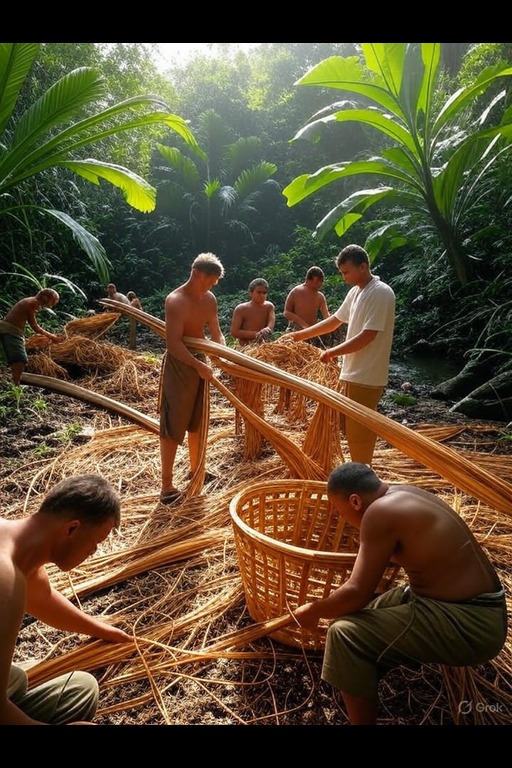
Lianas Fiber is a natural resource found in the lush environments of tropical forests, thriving in both wet and dry conditions. Harvesters skillfully gather this resource, taking great care to ensure sustainable practices that protect local ecosystems. The trade of Lianas Fiber supports various local crafts and contributes significantly to the economy of surrounding settlements. Its versatility allows for a range of products, fostering a vibrant exchange of goods and traditions among communities.
Universal
Biomes
Politics
Alignments
Races
Resources
Classes
Elevations
Religions
World
No accessible MAPs found.
Biome
Politics
Alignment
Race
Resource
Class
HeightMap
Lianas Fiber
Detailed Description
Lianas Fiber is derived from the long, woody vines that intertwine among the trees of tropical forests. These fibrous plants, which can reach impressive lengths, are typically harvested during specific seasons, a practice honed through generations of experience. Skilled gatherers aim to extract the fibers without causing lasting harm to the parent plants, ensuring that the resource remains abundant for future generations. This sustainable approach is not only crucial for the health of the ecosystem but also vital for the livelihoods of those who depend on this resource. The primary industries that benefit from Lianas Fiber are culinary and trade. In culinary applications, the fibers are often utilized in the preparation of various dried goods and preserves. These products are cherished for their unique textures and flavors, which enhance both simple and elaborate dishes. Additionally, Lianas Fiber plays a pivotal role in the creation of trade packs, as its lightweight yet strong properties make it an ideal material for transport. The fibers also find use in the production of salts and spices, contributing to a rich array of culinary traditions and innovations that emerge from regions where this resource is abundant. Communities near sources of Lianas Fiber often exhibit a rich tapestry of cultural practices centered around its use. Local artisans skillfully weave the fibers into intricate designs, creating items that are both functional and beautiful. These crafted goods are sought after in distant markets, fostering a spirit of trade that connects disparate regions. Moreover, the presence of Lianas Fiber can influence settlement patterns, as communities are typically established in proximity to reliable sources, ensuring easy access for harvesting. This resource thus serves not only as a means of sustenance but also as a cornerstone of social and economic interactions, making it integral to the life of those who inhabit tropical environments.
Examples
Examples of products made from Lianas Fiber include a variety of dried goods that are preserved for both culinary and trade purposes. Artisans may create intricate trade packs, designed for the transportation and exchange of goods across distances. Additionally, the fibers are often employed in the creation of unique salts and spices, each reflecting the distinct flavors of the local environment. The versatility of Lianas Fiber continues to inspire innovation, leading to new products that engage both local and distant markets.