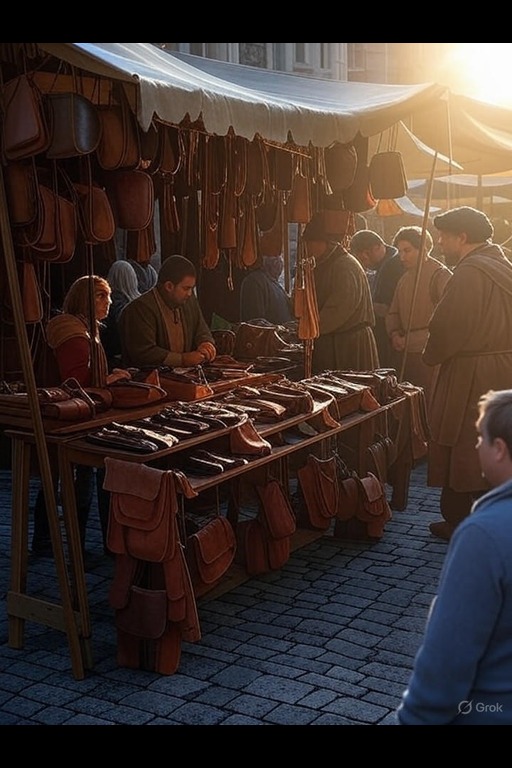
Leather Goods represent a vital resource derived from temperate deciduous forests, where the climate supports the cultivation of resilient livestock. Artisans and merchants prize these materials for their durability and versatility, as products crafted from leather are integral to daily life and commerce. Market towns along well-traveled roads thrive on the trade of these goods, ensuring a steady supply and fostering economic growth. Quality grading and safe transport are essential practices in this industry, driving demand for superior wares.
Universal
Biomes
Politics
Alignments
Races
Resources
Classes
Elevations
Religions
World
No accessible MAPs found.
Biome
Politics
Alignment
Race
Resource
Class
HeightMap
Leather Goods
Detailed Description
In regions characterized by temperate deciduous forests, Leather Goods are produced from the hides of animals raised in these mild climates. The abundance of vegetation provides ample resources for livestock, leading to high-quality materials that artisans utilize in a myriad of applications. The craft of leatherworking, honed through generations, has given rise to a rich tradition where skilled artisans transform raw hides into functional and decorative items. This craftsmanship is not only practical but also an expression of creativity, reflecting the cultural nuances of the communities that produce them. The trade of Leather Goods flourishes in bustling market towns strategically located along major trade routes. These hubs serve as vital points for the exchange of goods and information, attracting merchants seeking to buy and sell high-quality leather products. The presence of knowledgeable traders ensures that quality grading becomes an essential aspect of the industry. Buyers often seek out particular types and grades of leather, which influences pricing and demand. This dynamic marketplace is a testament to the interconnectedness of craftsmanship and commerce, where the reputation of a region’s leather can greatly enhance its economic standing. Safety in transport is paramount, as the journey of leather goods from the workshop to the marketplace can be fraught with challenges. Merchants often employ specialized methods of packing and securing these goods, ensuring they arrive in pristine condition. The attentive care taken during transport reflects the value placed on quality, as any damage can diminish both the aesthetic and functional properties of the leather. As such, a network of skilled individuals emerges, contributing to the integrity of the supply chain and further solidifying the importance of leather in the regional economy. Overall, Leather Goods embody a blend of artistry and practicality, playing a crucial role in the daily lives of those who inhabit temperate deciduous forests. Their durability and adaptability make them sought-after commodities, serving both utilitarian purposes and artistic expressions. From finely crafted garments to intricate ornaments, the legacy of leather crafting continues to thrive as a symbol of cultural heritage and economic vitality.
Examples
Leather Goods encompass a diverse range of products, including trade goods such as durable saddles and finely stitched bags. Artisan crafts showcase the creativity of leatherworkers through intricately designed belts and decorative pouches, often embellished with unique patterns. Ornaments made from leather, such as bookmarks or wall hangings, serve as both functional items and expressions of artistic flair. These products are highly esteemed, reflecting the skill and heritage of their creators while meeting the demands of a thriving market.