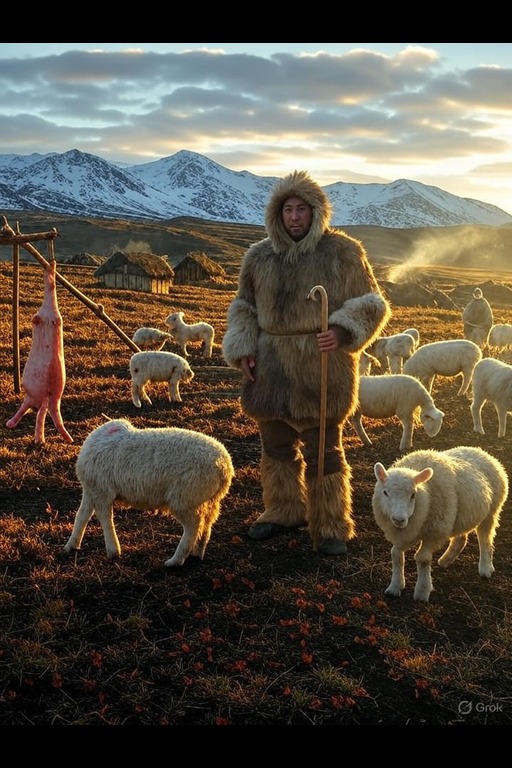
Lamb is an essential resource in the tundra and polar deserts, where its cultivation and harvesting are shaped by the harsh climate and unique soils. Seasonal methods of husbandry influence both the quality and yield of this livestock, leading to various practices that reflect the traditions of the region. Surpluses of lamb are often traded with neighboring territories, providing a vital source of nutrition during lean months. Caravans particularly value preserved lamb for extended journeys and winter storage, ensuring that it remains a staple food source throughout the year.
Universal
Biomes
Politics
Alignments
Races
Resources
Classes
Elevations
Religions
World
No accessible MAPs found.
Biome
Politics
Alignment
Race
Resource
Class
HeightMap
Lamb
Detailed Description
In regions characterized by tundra and polar desert biomes, the cultivation of lamb is a testament to both resilience and adaptability. This farmed resource thrives in challenging environments, where the extremes of temperature and the short growing seasons dictate the methods of animal husbandry. Farmers and herders employ traditional practices, often passed down through generations, to care for their flocks. The grazing patterns of lambs are carefully monitored to maximize their health and productivity, as the nutrient-rich grasses that emerge during the brief summer months are crucial to their growth. Such methods not only ensure a sustainable yield but also imbue the meat with distinctive qualities that reflect the unique terroir of the land. Seasonality plays a pivotal role in the production of lamb. During the warmer months, the animals are allowed to roam freely, taking advantage of the lush, though fleeting, vegetation. Conversely, as winter approaches, farmers prepare for the harsh conditions by implementing various preservation techniques. This results in a range of products that embody the ingenuity of the local populace; fresh cuts, cured meats, and even smoked varieties are crafted to extend the shelf life of the lamb. Such preparations not only serve practical purposes but also enhance the flavors, creating a diverse array of culinary options that are celebrated in both home kitchens and communal feasts. The trade of lamb and its byproducts has significant implications for local economies. Regions that successfully cultivate lamb often find themselves in a favorable position to engage in commerce with neighboring areas, exchanging surplus products for grains, vegetables, or other necessities that cannot be produced locally. The mobility of caravans, which transport preserved lamb across vast distances, further emphasizes the importance of this resource as a reliable source of sustenance during winter travels. As such, lamb stands not just as a dietary staple but also as a symbol of community resilience, cultural heritage, and economic exchange.
Examples
The versatility of lamb is evident in its various forms, each suited to different culinary practices and preferences. Fresh lamb is often featured in hearty stews, providing warmth and nourishment during colder months, while cured lamb offers a rich flavor profile ideal for snacking or as part of festive spreads. Smoky variations of lamb are popular for their intense taste, typically enjoyed during gatherings or outdoor feasts. Additionally, the broth derived from lamb is prized for its comforting qualities, often used as a base for soups or sauces, showcasing the resource's integral role in daily life.