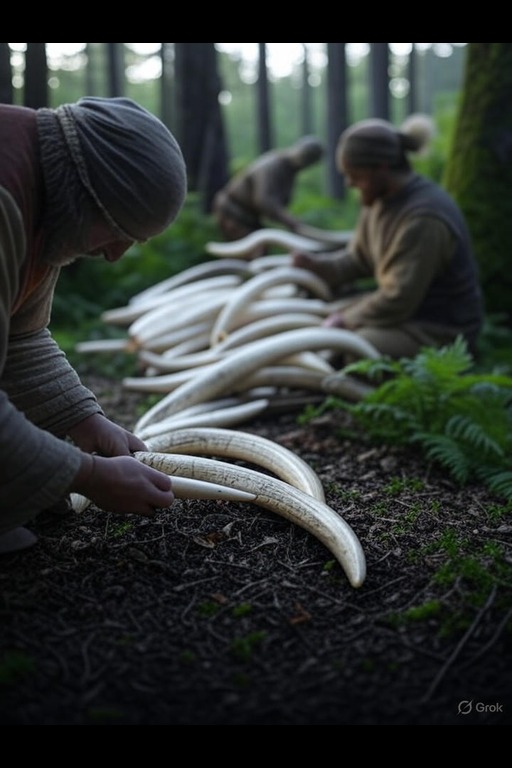
Ivory from forest elephants is prized for its exceptional quality and smooth texture. This resource is harvested with great care, ensuring that only the finest pieces make their way to market. The drying and polishing processes further enhance its natural beauty, allowing skilled artisans to create stunning works of art. Flawed pieces are redirected to lesser crafts, preserving the integrity of high-end products.
Universal
Biomes
Politics
Alignments
Races
Resources
Classes
Elevations
Religions
World
No accessible MAPs found.
Biome
Politics
Alignment
Race
Resource
Class
HeightMap
Ivory (Forest Elephants)
Detailed Description
The collection of ivory from forest elephants is an art in itself, requiring a deep understanding of the material and a commitment to ethical practices. Artisans carefully select tusks that exemplify the best characteristics, ensuring that the ivory is free from cracks and blemishes. This meticulous selection process is essential, as it not only reflects on the quality of the final products but also honors the majestic creatures that provide this valuable resource. Drying is a critical step in preparing the ivory for crafting. It involves a delicate balance; too much moisture can lead to warping or cracking, while too little can compromise its natural sheen. Once adequately dried, the ivory undergoes polishing, which brings out its rich luster and subtle patterns. This final stage is where the true artistry begins, as skilled hands shape and refine the material into exquisite items. Each piece tells a story, a testament to the craftsmanship that transforms raw resources into cherished artifacts. Artisans utilize ivory in a variety of applications, from intricate jewelry designs to elaborate decorative inlays. The versatility of this resource makes it a favorite among creators of luxury goods. Jewelry crafted from ivory reflects an elegance that captures the eye, often paired with gemstones or other materials to enhance its appeal. Decorative inlays adorn furniture and other items, adding a touch of sophistication and artistry to everyday objects. Furthermore, ivory is used in the creation of relics and trade goods, making it a sought-after resource in various markets. The enduring nature of ivory ensures that these creations are not merely transient, but are appreciated for generations to come.
Examples
Ivory can be found in numerous products that highlight its beauty and craftsmanship. Jewelry pieces, such as necklaces and earrings, often feature ivory intricately carved into delicate designs. Decorative inlays enhance the appearance of fine furniture or ceremonial items, showcasing the skill of the artisan. Additionally, ivory is frequently transformed into relics, serving as symbols of status and refinement. Trade goods made from ivory are highly valued, making them a vital part of the luxury trade.