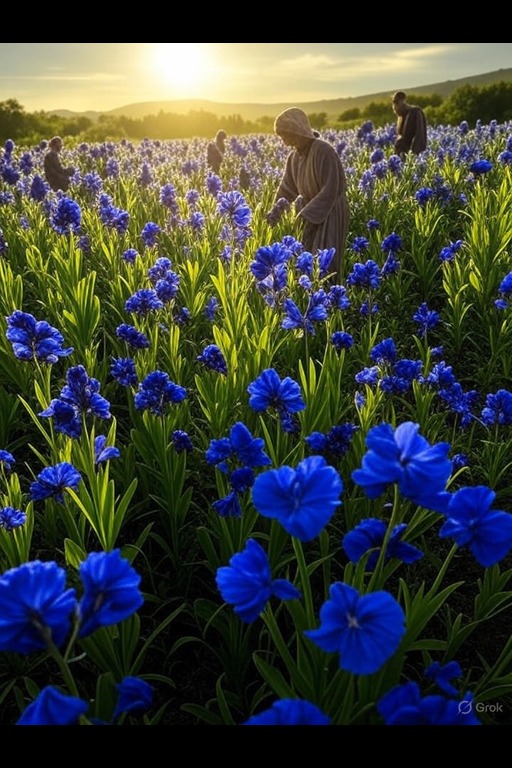
Indigo Dye Plants are native to regions characterized by savanna and tropical rainforest biomes. These plants are valued for their deep blue dye, which is extracted and used widely in various crafts and trade. Harvesting indigo dye requires skill and a keen understanding of seasonal cycles to ensure sustainable collection. Many communities are situated near these plants, benefiting from their economic and cultural significance.
Universal
Biomes
Politics
Alignments
Races
Resources
Classes
Elevations
Religions
World
No accessible MAPs found.
Biome
Politics
Alignment
Race
Resource
Class
HeightMap
Indigo Dye Plants
Detailed Description
Indigo Dye Plants thrive in the sun-kissed expanses of savanna and the lush undergrowth of tropical rainforests, where they flourish in the warm, moist conditions that these biomes provide. The plants, with their vibrant foliage and striking flowers, capture the attention of both passersby and skilled harvesters alike. Once mature, the leaves are carefully collected, as the process of dye extraction demands both precision and respect for the natural growth of the plants. This respect is vital; over-harvesting can lead to depletion, which not only threatens local sources but also disrupts the balanced ecosystems that sustain them. The gathering of indigo dye is a labor-intensive practice that intertwines deeply with the rhythms of the seasons. Harvesters often rely on traditional knowledge passed down through generations, ensuring that their methods promote sustainability. Timing is crucial; the most intense color is extracted when the leaves are at their peak, which aligns with specific weather patterns and growth phases. Through careful management, communities can maintain a consistent supply of indigo, supporting local artisans and traders who rely on this resource. The dye itself is renowned for its brilliance and longevity, making it highly sought after in various applications from textiles to ceremonial artifacts. Beyond its use as a dye, Indigo Dye Plants have woven themselves into the fabric of local economies and cultural practices. The resultant products, including textiles, clothing, and decorative items, have become staples in trade networks, enhancing economic exchanges between communities. Moreover, the process of dyeing, often carried out communally, fosters social bonds and a shared sense of identity among participants. As settlements continue to develop around reliable sources of these plants, the cultural significance of indigo deepens, marking its role not just as a resource but as a thread connecting people and their heritage. Harvesters and artisans alike engage with the indigo dye’s evolving narrative, adapting techniques and styles while honoring traditional practices. The indigo dye trade, with its roots in the land and the community, serves as a testament to the interconnectedness of nature, culture, and commerce. This makes Indigo Dye Plants not just a resource, but a symbol of creativity, sustainability, and heritage that resonates throughout the lands of their growth.
Examples
Indigo Dye Plants produce a variety of goods that contribute to local economies and cultural expressions. Among these are vibrant textiles that showcase intricate patterns and colors, making them popular in trade and local markets. Additionally, dried leaves are often preserved to maintain their dyeing properties, allowing for year-round access to this coveted resource. Spices and culinary ingredients infused with indigo add unique flavors to local dishes, further expanding the applications of these plants in daily life.