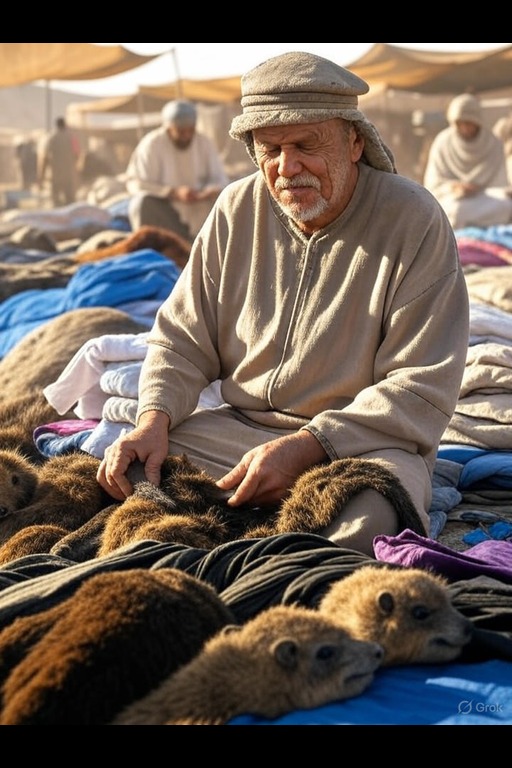
Hyrax Pelts are a sought-after resource harvested from the resilient creatures found in rocky desert environments. The collection of these pelts is a seasonal endeavor, requiring both skill and careful management to ensure sustainability. Local craftspeople utilize the pelts in various industries, enhancing trade and supporting the economies of nearby settlements. Their versatility allows for the creation of numerous products, from garments to tools, which are highly valued in both local and distant markets.
Universal
Biomes
Politics
Alignments
Races
Resources
Classes
Elevations
Religions
World
No accessible MAPs found.
Biome
Politics
Alignment
Race
Resource
Class
HeightMap
Hyrax Pelts
Detailed Description
The rocky desert, with its harsh terrain and extreme temperatures, provides a unique habitat for hyraxes, small mammals known for their dense, insulating pelts. The collection of these pelts is predominantly undertaken during specific seasons, aligning with the natural shedding cycles of the hyraxes to ensure a responsible harvest. Skilled hunters and gatherers employ traditional methods to track and capture the creatures, utilizing both knowledge of the terrain and an understanding of hyrax behavior. Harvesters strive to maintain the delicate balance of the ecosystem, ensuring that populations remain stable for future generations. The process of transforming raw pelts into usable materials involves several steps, including butchery and tanning. Once harvested, the pelts are often cured to preserve their integrity and prevent degradation. Local artisans adept in the art of tanning create durable hides, which can be fashioned into clothing, blankets, and various textile goods. Beyond mere aesthetics, these products serve practical purposes, providing warmth and protection against the elements in the unforgiving desert climate. The versatility of hyrax pelts extends to the crafting of tools, where bones and other by-products are fashioned into utilitarian implements, ensuring that no part of the creature goes to waste. Trade in hyrax pelts forms an essential part of local economies, with merchants often traveling significant distances to exchange these goods for other resources. The demand for high-quality pelts has led to the establishment of trade routes, fostering connections between various communities and encouraging the spread of knowledge regarding sustainable harvesting practices. This intricate web of commerce not only enriches the lives of those involved but also promotes a shared responsibility for the preservation of the delicate ecosystems from which these valuable resources are drawn. The continued popularity of hyrax pelts reflects both their practical applications and the deep cultural significance they hold for those who depend on them for livelihood and craft.
Examples
Common products crafted from hyrax pelts range from smoked and cured versions intended for culinary use to tanned hides designed for garments and accessories. Artisans create intricate fur garments, prized for their warmth and durability, while others might fashion bone tools from the hyrax’s remains. The wide array of goods derived from this resource underscores its importance in both everyday life and the broader economic landscape of the surrounding communities. These items not only fulfill practical needs but also serve as symbols of local craftsmanship and sustainable practices.