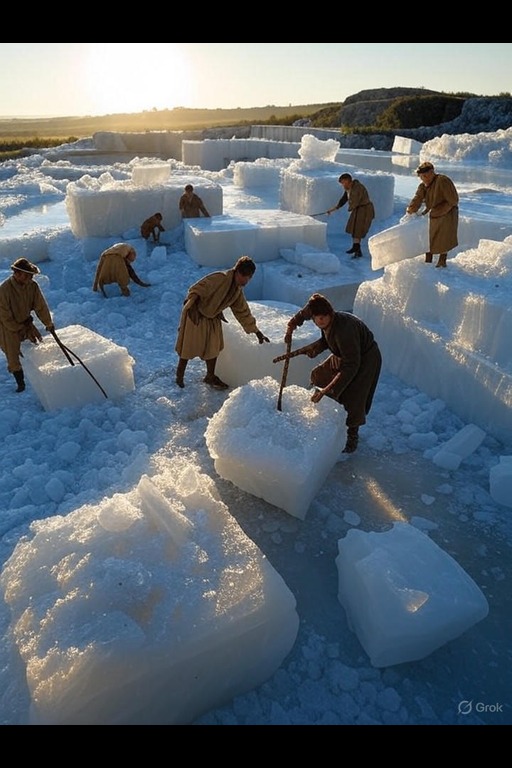
Halite Crust is a mineral formed from the evaporation of saline waters, often found in wetland areas. This resource is typically quarried or scooped from natural beds and terraces, where it has accumulated over time. Once extracted, the halite is processed into blocks and fines, with some portions cut for construction purposes while others are utilized in the creation of glass and ceramics. Its versatility makes it a valuable resource for various industries, including quarrying and trade.
Universal
Biomes
Politics
Alignments
Races
Resources
Classes
Elevations
Religions
World
No accessible MAPs found.
Biome
Politics
Alignment
Race
Resource
Class
HeightMap
Halite Crust
Detailed Description
The formation of Halite Crust takes place in environments where saline water bodies experience significant evaporation, leading to the crystallization of salt deposits. These naturally occurring formations are often found in low-lying wetland regions, where geological and climatic conditions favor the accumulation of mineral-rich brine. As the water recedes, layers of halite can be seen, showcasing both the beauty and the utility of this mineral resource. The extraction process is generally straightforward; workers quarried the crust from exposed beds or scoop it from terraces, ensuring minimal disruption to the surrounding ecosystem. Once harvested, the halite is separated into different grades, with blocks suitable for construction being cut with precision. The remaining fines serve a variety of purposes, including the production of glass and ceramics. The versatility of halite is evidenced by its wide range of applications, from building materials to trade goods. In construction, halite blocks are prized for their durability, often used to create structures that can withstand the test of time. As a raw material in glass and ceramic production, it undergoes processes that transform it into elegant and functional items, valued in both everyday use and artistic endeavors. Halite Crust also plays a vital role in trade, where it is exchanged not only for its inherent value but also for its numerous applications across different industries. Its extraction and processing foster economic activity, supporting local labor and stimulating commerce. As a commodity, halite transcends regional boundaries, finding its way into markets far beyond its origin. This mineral resource is a testament to the intricate interplay between nature and human industry, embodying the potential of the earth's natural wealth to contribute to societal development and innovation.
Examples
Products derived from Halite Crust showcase its broad utility, particularly in the construction and glassmaking industries. Cut stone from this mineral is frequently employed in building structures known for their resilience and aesthetic appeal. Additionally, glass and ceramics made from treated halite exhibit qualities that enhance their desirability in both functional and decorative contexts. The trade in halite products extends beyond mere materials, influencing various economic sectors and fostering connections between distant markets.