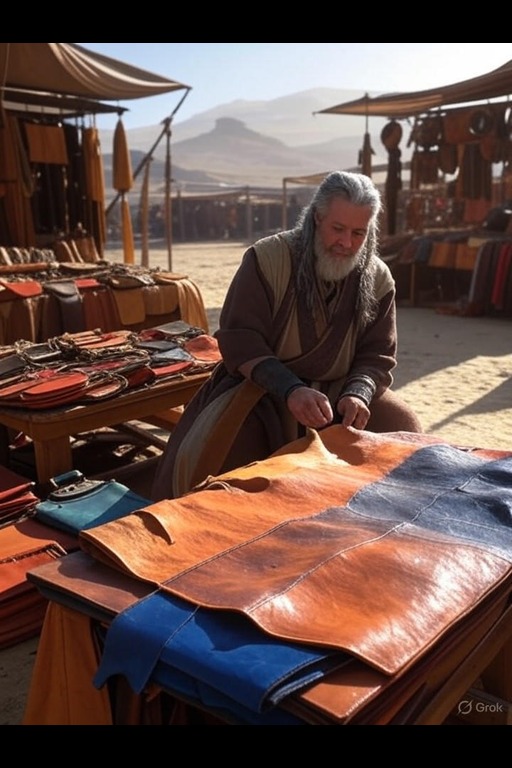
Goat hides are a valuable resource found primarily in hot desert regions. Harvesters skillfully gather these hides while ensuring sustainable practices to prevent depletion of local stocks. They play a vital role in supporting various industries, including hunting, tanning, and textiles. Communities often establish themselves near areas where goats are abundant, facilitating trade and craftsmanship.
Universal
Biomes
Politics
Alignments
Races
Resources
Classes
Elevations
Religions
World
No accessible MAPs found.
Biome
Politics
Alignment
Race
Resource
Class
HeightMap
Goat Hides
Detailed Description
The collection of goat hides is an age-old practice deeply intertwined with the culture and economy of desert settlements. These hides, derived from goats that thrive in arid conditions, possess inherent durability and versatility. Harvesters typically choose specific seasons for gathering, when the shedding of fur aligns with the goats' natural cycles. The careful timing is essential to maintain healthy populations and ensure a continued supply of this resource. Skilled gatherers often exhibit a profound understanding of local ecology, utilizing traditional knowledge passed down through generations to manage the delicate balance of harvesting without causing detrimental effects to goat populations. Once collected, goat hides undergo a series of transformative processes in the tanning industry. Tanners employ various methods to treat the hides, enhancing their durability and preparing them for a wide array of uses. Cured and tanned goat hides are particularly prized for their texture and resilience, making them suitable for crafting garments, bags, and other textile goods. Artisans specializing in leatherwork often utilize these hides to create intricate patterns and designs, elevating everyday items into works of art. In addition to textiles, the bones and other byproducts from goats are repurposed into tools and decorative objects, showcasing the resourcefulness of local craftsmen. Trade routes frequently revolve around goat hides, connecting remote communities with larger marketplaces. The exchange of these materials fosters not only economic growth but also cultural exchange, as artisans and merchants share techniques and innovations. The demand for goat hides extends beyond local markets, as traders transport finished goods to distant lands, highlighting the resource's significance in broader trade networks. As a staple of desert economies, goat hides represent not just a commodity, but a symbol of resilience and adaptation in the face of harsh environmental conditions.
Examples
Common products derived from goat hides include smoked and cured variations that serve both culinary and practical purposes. Tanned hides are transformed into a variety of durable items, from clothing to accessories, showcasing skilled craftsmanship. Additionally, bone tools made from goats are utilized in various trades, while fur garments provide warmth and protection against the elements. The versatility of goat hides underscores their importance in daily life and trade.